

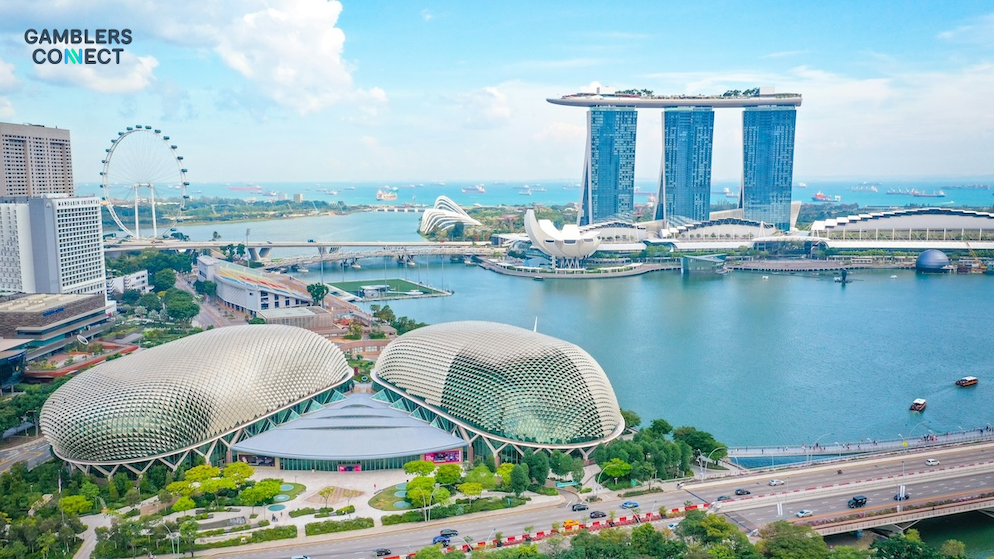
Despite a formal ban enacted in December 2024, punters in Singapore are increasingly utilizing decentralized prediction markets like Polymarket.
The Gambling Regulatory Authority (GRA) of Singapore had designated Polymarket an unregulated gambling site, threatening users with fines of up to SG$10,000 and six months in jail, yet activity remains at record levels.
Betting on the Mundane: The Weather and Politics
While legally permitted to use Singapore Pools for traditional lotteries and sports, residents are flocking to Polymarket for alternative contracts. Data suggests daily wagers of up to SG$127,160 ($100,000) on domestic variables, including the local temperature.
On April 17, participants wagered nearly SG$158,725 on whether the thermometer would hit 33°C. Other high-traffic contracts center on the 2025 general election and the Singapore Grand Prix.
Ethical Concerns and Regional Suspensions
The rise of these platforms has sparked global ethical debates, particularly regarding potential insider trading on geopolitical events. Suspiciously timed trades on US military actions in the Middle East and the assassination of high-ranking Iranian officials have raised alarms.
The volatility of these emerging markets has forced nearby regulators to act. On April 14, the Hong Kong government suspended the rollout of legal sports betting to conduct an in-depth study into prediction markets after trading volumes reached US$64 billion in 2025.
Singaporean authorities have issued a final warning to the public, stating that those who “deliberately circumvent blocking measures do so at their own risk,” as the city-state weighs more aggressive technological enforcement.