
The Parliament of Norway has initiated a legislative push to institute formal oversight controls across the country’s rapidly growing prediction markets sector.
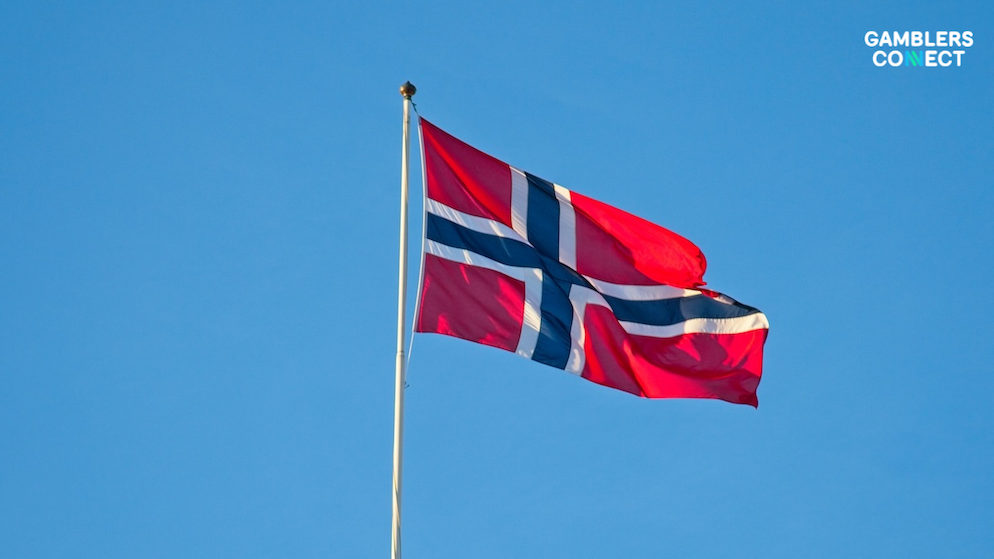
The political move addresses serious structural warnings raised by clinical addiction specialists, anti-fraud enforcement experts, and state security panels regarding the complete lack of a clear legal framework governing decentralized betting platforms.
Addressing Anonymous Web3 Trading and Financial Crime Risks
Prediction market platforms allow users to trade shares and place real-money wagers on the precise outcomes of future real-world events, encompassing volatile cryptocurrency price targets, sensitive macroeconomic developments, diplomatic meetings, and international sports fixtures. The intense domestic debate focuses on whether these speculative instruments should be classified under standard gambling acts, managed via financial service regulations, or monitored through an entirely new standalone oversight framework.
Regulatory critics argue that combining completely anonymous cryptocurrency payment rails with constant digital access and highly sensitive geopolitical events creates public risks that expand far beyond traditional sports betting.
The sector has experienced high expansion velocity over the past two years, shifting from a niche arena for financial speculation into an all-hours playground characterized by a continuous stream of shifting odds. This design allows users to transition between separate global event contracts without interruption, triggering intense scrutiny from clinical monitoring group Gambling Addiction Norway.
Clinical directors warn that the platforms successfully package volatile, addictive betting mechanics inside a sophisticated speculative wrapper that appeals directly to younger demographics, particularly when promoted heavily across social networks by targeted influencers and web3 communities.
Beyond tracking user exposure, state authorities are highly concerned by the heightened risk of insider information exploitation. Individuals possessing advanced corporate or political knowledge of an election result, a corporate takeover, or an impending policy decision can exploit decentralized markets to extract massive financial yields anonymously, leaving few obvious data links to trace back to the original source. This creates a complex cross-cutting enforcement hurdle for gambling boards, financial supervisors, and police forces attempting to execute cross-border investigations over pseudonymous crypto transactions.
Moving Toward Strict State Oversight
In response to the growing risk indicators, the Socialist Left Party (SV) has formally co-presented a legislative proposal in parliament instructing the government to analyze how to extend existing gambling laws to encompass prediction markets. The mandate demands a comprehensive review to evaluate whether state regulators require stronger statutory enforcement powers to actively block unlicensed platforms targeting Norwegian users, alongside evaluating whether specific prohibitions should block operators from listing markets tied directly to active wars, global conflicts, and public elections.
Magnus Pedersen of Gambling Addiction Norway, stated that the structural convergence of web3 speculation and continuous digital stimulation demands an immediate legislative response:
“Prediction markets are a mix of gambling, financial speculation and constant digital stimulation. The products can appear more sophisticated than traditional gambling while retaining many of the same addictive features.”