

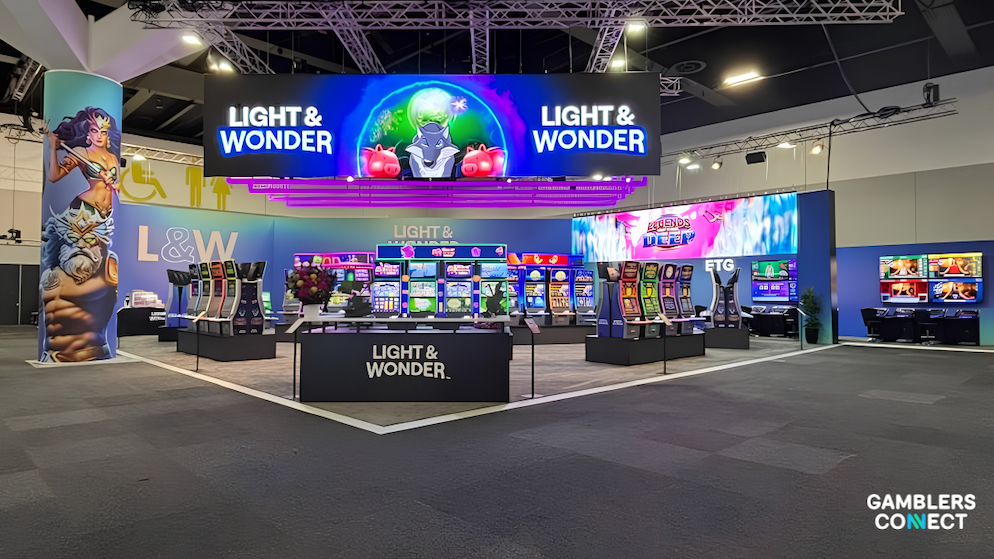
Light & Wonder has kicked off the 2026 fiscal year with a resilient operating performance, reporting a total Q1 revenue increase to $790 million, up from $774 million in the prior-year period.
Despite facing legal reserve contingencies and a volatile macroeconomic climate, the company achieved AEBITDA growth across all three of its business segments, Gaming, SciPlay, and iGaming, driven by a content-centric model and expanding margins.
Segment Growth and Market Expansion
The Gaming division remains a primary engine for the company, with revenue rising to $512 million. A standout metric was the 23rd consecutive quarter of growth for the North American premium installed base.
In the iGaming sector, revenue surged 18% to $91 million, showcasing the strength of the company’s digital portfolio. Meanwhile, the “Grover” terminal line expanded into the recently legalized Indiana market, adding 660 units.
Matt Wilson, President and CEO of Light & Wonder, commented:
“The first quarter of 2026 marks the beginning of the next phase of the Company’s growth trajectory: one defined by our content-centric operating model, deepening customer relationships, disciplined execution, expanding margins and enhanced capital structure. We are seeing the benefits of our continued investment in studios and content, as our franchises drive strong game performance across the portfolio. Gaming momentum remained robust, with our North American premium installed base growing for the 23rd consecutive quarter… Looking ahead, we remain focused on investing in product innovation and talent to further strengthen our recurring revenue model.”
Disciplined Capital Allocation
While net income in Q1 fell due to a $50 million legal reserve for legacy matters for Light & Wonder, adjusted free cash flow nearly doubled to $207 million.
Oliver Chow, Chief Financial Officer, emphasized the company’s focus on deleveraging:
“Our first quarter results reflect continued margin expansion across the businesses and scaling cash flow… Our capital allocation priorities remain disciplined and unchanged: investing in high-return growth opportunities, managing our net debt leverage ratio toward the lower end of our targeted range and returning capital to shareholders meaningfully, having now repurchased 25% of total shares outstanding since the program’s inception. We maintained our net debt leverage ratio within our targeted range and expect to deleverage throughout 2026.”