
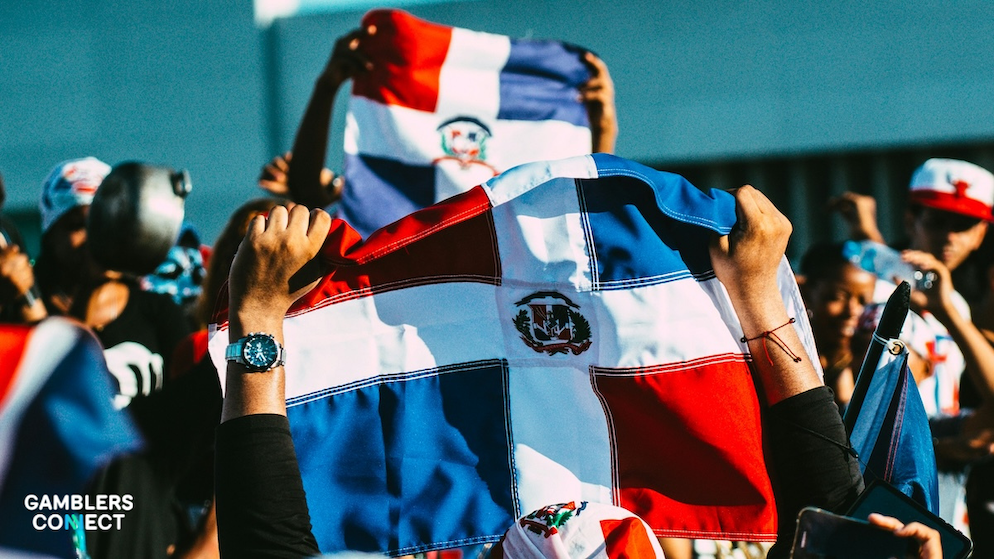
In a decisive move to formalize the nation’s fragmented wagering landscape, the government of the Dominican Republic has officially reactivated its national plan for the regularization of lottery outlets and betting shops. Enacted via Decree 197-26, the legislative update is specifically designed to address a massive backlog of pending license applications that has persisted since the expiration of the previous 2022 deadline.
The Shift to Fiscal and Administrative Rigor
Under the new mandate, oversight responsibilities have transitioned to the Ministry of Finance and Economy. This shift signals a move toward stricter fiscal integration, requiring all operators, including lottery stores and physical casinos, to transition into fully regulated legal entities.
The objective is to bring thousands of informal betting points into the national tax system while ensuring rigorous anti-money laundering (AML) compliance.
However, the rapid influx of new mandates has sparked debate among legal scholars. Yamile Gutiérrez, a prominent gambling law expert, warned that while order is necessary, the current volume of regulatory resolutions could inadvertently create an environment of administrative uncertainty.
She noted that newly introduced standards, such as Resolution 217-2025 and Resolution 161-2026, impose high-intensity suitability tests on shareholders and employees, which may place a disproportionate burden on licensed operators compared to their informal competitors.
Expert Analysis: The Need for Coherence
Speaking to the local news portal RC Noticias, Yamile Gutiérrez emphasized that a fragmented legal framework, spanning various resolutions and older statutes like Law 155-17, risks hampering the industry’s long-term sustainability:
“There is an urgent need for a law that updates the regulation system to match the existing reality. Otherwise, we will continue having a system whereby the ones complying with the law are punished while those evading are left alone. Regulation is inevitable, yet if there is no clarity and coherence, it may even lead to chaos in the sector and illegal practices.”
Institutional Leadership and Implementation
To navigate this transition, the government has appointed Teófilo “Quico” Tabar as the head of the Advisory Council overseeing the regularization plan. Tabar is tasked with resolving long-standing challenges, including enforcing mandatory distance requirements between betting shops and addressing the operational seniority of existing establishments.
The success of Decree 197-26 will ultimately depend on the Ministry’s ability to balance tighter controls with regulatory effectiveness. As the Dominican Republic moves toward a more sophisticated gaming model, the focus remains on ensuring that “legitimacy” does not become a barrier to entry that fuels the very informal market the state seeks to dismantle.