
The digital sports broadcasting landscape has undergone a radical transformation, with the platform known as StreamEast soccer becoming a central figure in the debate over accessibility versus intellectual property. For millions of fans worldwide, StreamEast soccer represented a frictionless, albeit unauthorized, gateway to every major sporting event on the planet.
As the cost of legitimate sports subscriptions continues to fragment across multiple streaming services, the allure of a consolidated hub like StreamEast soccer grew exponentially. However, this convenience came with a hidden price tag involving cybersecurity threats, legal ramifications, and a direct pipeline to unregulated gambling environments. Understanding the history, mechanics, and dangers of this platform is essential for any modern sports consumer navigating the high-stakes world of online streaming.
The Historical Rise of a Sports Streaming Giant
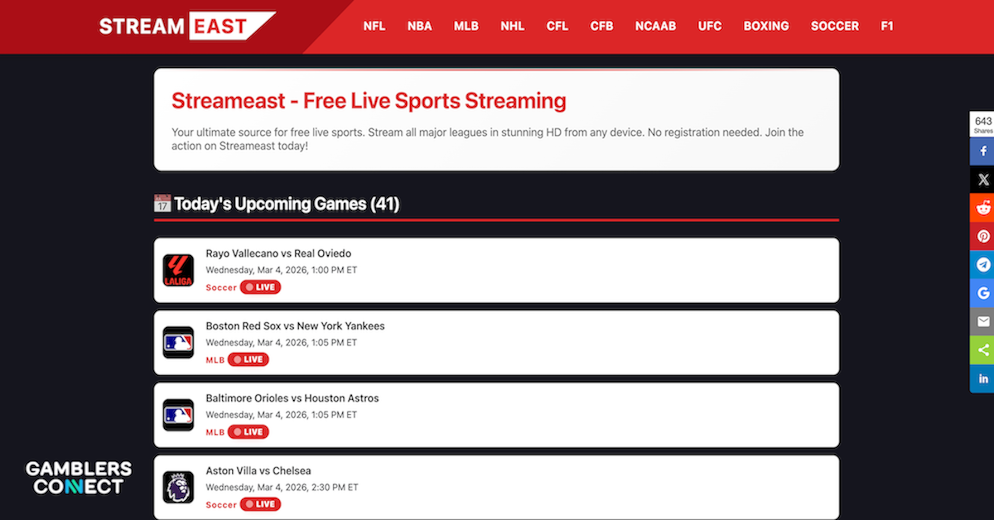
The origins of StreamEast can be traced back to the mid-2010s, a period when traditional cable packages began to lose their grip on the younger demographic. As cord-cutting became a global movement, a vacuum was created. Fans wanted to watch their favorite teams without being tethered to a two-year contract or a bulky satellite dish. StreamEast emerged as a solution to this problem, offering a clean, user-friendly interface that mimicked the aesthetics of premium legitimate apps.
Unlike many of its predecessors in the pirate streaming space, which were often cluttered with aggressive pop-ups and broken links, this platform prioritized the user experience. It organized content by league, making it incredibly easy for fans to find a StreamEast MLB game or a high-stakes StreamEast NFL matchup with just two clicks. This professionalization of piracy allowed it to build a loyal community that rivaled the user bases of multi-billion dollar media corporations.
By 2020, the platform had expanded its reach into every major professional league. It became the go-to destination for the StreamEast NBA community during the playoffs and a reliable source for the StreamEast NHL regular season. The site’s ability to pull high-definition feeds from international broadcasters meant that users were often watching a superior product compared to the lag-heavy official streams offered in certain regions.
Expansion into Combat Sports and Mobile Accessibility
A significant factor in the platform’s dominance was its focus on pay-per-view events. The StreamEast UFC category, in particular, saw massive traffic spikes during championship fights. While official providers charged upwards of seventy dollars for a single night of fights, the platform offered the same experience for free. This economic disparity fueled a cycle of growth that law enforcement struggled to contain for nearly a decade.
To further cement its position, the developers behind the service eventually introduced the concept of a StreamEast app. Although it was never hosted on official marketplaces like the Apple App Store or Google Play, the APK files were distributed through social media and mirror sites. This mobile accessibility meant that fans no longer needed to be at a computer; they could stream live sports on the go, further increasing the platform’s daily active user count.
The Current Status and the Whack-a-Mole Reality in 2026
As of early 2026, the official infrastructure of the original site has been largely dismantled following a coordinated effort by the Alliance for Creativity and Entertainment (ACE) and Egyptian authorities. The August 2025 raids in Egypt resulted in the arrest of key operators and the seizure of millions of dollars in illicit revenue. However, the legacy of StreamEast soccer persists through a network of clones and mirror sites.
The current landscape is defined by instability. A domain that works on a Saturday morning for a StreamEast MLB double-header may be seized by authorities by Saturday night. This has led to a fragmented experience where users must navigate a maze of Discord servers and Telegram channels to find the latest functioning URL. Many of the sites currently claiming to be the official StreamEast are, in reality, malicious clones designed to harvest user data rather than provide a stable stream.
Comparison of Popular Unauthorized Streaming Services
While this platform was a leader, it was part of a broader ecosystem of illegal services. Below is a comparison of how these services stack up against each other in 2026.
| Service Name | Primary Focus | User Interface Quality | Risk Level |
| StreamEast soccer | Multi-sport (NFL, NBA, MLB) | High (Clean, Minimal Ads) | Extreme (High Legal Scrutiny) |
| MethStreams | NFL and NBA Focus | Medium (Viral Growth) | High (Unstable Domains) |
| SportSurge | Link Aggregator | Low (Manual Search) | Moderate (Link Variability) |
| VIPRow | International Sports | Low (Cluttered) | Very High (Malware Risk) |
The major difference between these services is the philosophy of the operators. StreamEast soccer succeeded because it looked legitimate, which lulled users into a false sense of security. Other sites like VIPRow make no effort to hide their nature, bombarding users with visible threats from the moment the page loads.
The Hidden Connection to Unregulated Gambling
One of the most concerning developments in the history of StreamEast is the symbiotic relationship between the streaming platform and illegal online casinos. Running a global streaming network requires immense server bandwidth, which is expensive. To fund these operations, the owners turned to the highest bidders in the advertising world: unregulated gambling sites.
When a user opens a StreamEast NFL stream, they are typically met with an overlay or a sidebar advertisement for a crypto-based casino. These are not the licensed sportsbooks found in regulated markets. Instead, they are offshore entities that operate without oversight. These sites often use the captive audience of the streaming site to promote predatory bonuses and games that are mathematically rigged against the player.
The Danger of Cross-Platform Exploitation
These illegal casinos often target the younger demographic of the StreamEast NBA and StreamEast MLB audiences. Because the streaming site itself is already operating outside the law, users are less likely to report fraudulent activity from the advertisers on that site. This creates a lawless vacuum where a fan looking for a StreamEast NHL game can end up losing thousands of dollars on a site that has no intention of ever processing a withdrawal.
The integration has become so seamless that some clones now include a live betting feed directly next to the video player. This encourages impulsive gambling during live events, often using high-volatility cryptocurrencies that make it impossible for the user to recover their funds once they are sent to the offshore operator.
Cybersecurity Threats and Data Privacy Risks
Beyond the legal and financial risks of the associated gambling sites, the technical infrastructure of StreamEast clones is a minefield for cybersecurity. Because these sites do not follow standard web protocols, they are frequently used as delivery vehicles for various types of malware.
When a user attempts to close an ad on a StreamEast UFC stream, they may unknowingly trigger a silent download. These malicious scripts can include:
- Browser Hijackers: Programs that change your search settings and redirect your traffic to phishing sites.
- Ransomware: Encrypting your personal files and demanding payment for their release.
- Crypto-Jackers: Using your computer’s processing power to mine cryptocurrency for the site owners without your knowledge.
- Credential Stealers: Accessing saved passwords in your browser to compromise your banking and social media accounts.
The risk is even higher for those who use the StreamEast app. Since these apps are sideloaded and bypass the security checks of official app stores, they often request permissions that no sports app should need, such as access to your contacts, camera, and microphone. This allows the operators to build detailed profiles of their users, which are then sold on the dark web.
Prediction Markets and the Future of Sports Media
As the battle over streaming rights continues, a new player has emerged in the sports engagement space: prediction markets. While illegal streaming sites like StreamEast soccer provide the content, platforms like Polymarket allow fans to trade on the outcomes of these events in a decentralized environment. This represents a shift from traditional gambling to a more transparent, data-driven approach.
Polymarket vs. Traditional Prediction Markets
The following table highlights the differences between decentralized markets and their centralized predecessors.
| Feature | Polymarket | PredictIt / Traditional |
| Technology | Blockchain (Polygon) | Centralized Servers |
| Asset Type | Crypto (USDC) | Fiat Currency (USD) |
| Liquidity | Record Highs in 2026 ($7B+) | Capped by Regulation |
| Limits | Virtually Unlimited | Strict Limits per Contract |
| Accuracy | Up to 91% for Large Events | Subject to Polling Lag |
| Regulation | International / Decentralized | CFTC Regulated (US Only) |
The rise of these markets suggests that fans are looking for more sophisticated ways to engage with sports than what is offered by the predatory ads on a StreamEast NHL stream.
Legal Consequences for the Modern Viewer in 2026
Many users believe that because they are only viewing the content and not hosting it, they are safe from legal repercussions. In 2026, this is no longer a certainty. Lawmakers in both the United States and Europe have updated their digital copyright acts to include provisions for those who knowingly access pirated content through services like the StreamEast app.
Internet Service Providers have become increasingly aggressive in monitoring traffic to known piracy hubs. A user who frequently accesses a StreamEast MLB or StreamEast NFL stream may receive a series of copyright infringement notices. These can lead to:
- Throttling of internet speeds.
- Temporary suspension of service.
- Permanent blacklisting by the ISP.
- Civil lawsuits from rights holders like the NFL or Disney.
The convenience of a StreamEast NBA stream is rarely worth the long-term risk of losing your home internet access or facing a legal summons.

Illegal Operators and Illegal Streaming Services
Recent reports from early 2026 highlight a “symbiotic relationship” between illegal sports piracy and the black-market gambling industry. Data shows that a staggering 89% of all illegal streams in major markets now feature prominent advertisements for unlicensed bookmakers and offshore casinos. These entities have become the primary “media partners” for sites like StreamEast, as they are the only ones willing to pay high advertising premiums to reach an audience already operating outside legal frameworks.
The Predatory Nature of Black-Market Ads
Unlike regulated sportsbooks, the illegal casinos promoted on StreamEast often utilize deceptive tactics to exploit viewers. These include:
- Manipulated Live Betting: Technical intelligence reports from 2026 reveal that many illegal streams are intentionally delayed by several seconds. Advertisements for “live betting” on these sites encourage users to place wagers on events that the operator already knows the outcome for, effectively stealing the user’s stakes.
- Targeting Vulnerable Groups: These ads frequently bypass age-verification and self-exclusion tools like GAMSTOP. They are specifically designed to lure in underage viewers and “problem gamblers” who have been blocked from legitimate, regulated platforms.
- Malware-Laden Overlays: Roughly 50% of the “Close” buttons on these gambling ad overlays are fake. Clicking them doesn’t close the ad; instead, it triggers a background download of spyware or keystroke loggers designed to steal the very financial data you use to “deposit” on their gambling site.
Comparison of Illegal Streaming Services (Updated 2026)
| Service Name | Primary Focus | Ad Density | Predatory Gambling Risk |
| StreamEast | US Major Leagues (NFL, NBA) | High | Extreme (Primary funding source) |
| CrackStreams | UFC and Boxing | Very High | High (Focused on high-stakes PPV bettors) |
| VIPRow | International Soccer / Cricket | Extreme | Very High (Global offshore operators) |
| MethStreams | Viral NFL/NBA Links | Moderate | High (Social media-driven affiliate ads) |
The Ethical Dilemma and the Future of Broadcasting
There is a valid argument that the current state of sports broadcasting is broken. To watch every game of your local baseball team, you might need a regional sports network, a national cable package, and two different streaming services for Friday night games. This fragmentation is what drives the traffic to StreamEast.
However, the consequences of this shift are starting to show. When revenue is siphoned away from leagues through platforms like StreamEast, it affects the quality of the production, the salaries of the players, and the investment in youth programs. The future of sports media likely involves a move toward a more unified, fan-friendly model, but that transition is being slowed by the ongoing war between rights holders and pirate networks.
Innovations like team-specific streaming passes and pay-per-game options are beginning to appear in the StreamEast NHL and NBA markets. These are designed to provide the same convenience as the pirate sites but with the security and legal protection of an official partner. As these legitimate options become more affordable and easier to use, the incentive to risk your cybersecurity on a StreamEast UFC stream will naturally diminish.
Summary and Path Forward
The story of StreamEast soccer is a cautionary tale of the digital age. It represents the pinnacle of convenience in sports media but hides a dark underbelly of crime, exploitation, and risk. While the allure of free access to every StreamEast NFL game or StreamEast UFC fight is strong, the reality of system compromises and the predatory nature of the illegal casinos that fund these sites make them a poor choice for the informed fan.
As we move through 2026, the responsibility falls on both the leagues to provide better access and the fans to choose legitimate paths. By avoiding the StreamEast app and its myriad clones, users protect their data, their finances, and the future of the sports they love. The path forward is one of transparency and regulation, moving away from the shadows of unauthorized streaming and into a more secure, sustainable era of digital sports consumption.
Frequently Asked Questions (FAQs)
What happened to the official StreamEast soccer website?
The original site was shut down in August 2025 by international law enforcement (ACE) and Egyptian police. Most sites currently using the name are clones or mirror sites that operate in a high-risk legal environment.
Is using a StreamEast app on my phone safe?
No. There is no verified version on the Apple App Store or Google Play. Sideloaded APKs for a StreamEast app frequently contain hidden trackers or malware that can compromise your mobile device’s security and your personal data.
Why do I see so many casino ads on a StreamEast NFL stream?
Illegal streaming sites are expensive to run. They partner with unregulated offshore casinos to generate the revenue necessary to keep their servers active. These casinos are often fraudulent and target sports fans.
Can I get in trouble for watching a StreamEast MLB game?
Yes. Depending on your jurisdiction, your ISP can monitor your activity and issue copyright strikes, which can lead to the termination of your internet service or legal action from the leagues.
Does StreamEast UFC offer better quality than official PPV?
While the site often pulls high-quality feeds, it is subject to frequent buffering, lag, and complete site crashes during major events due to high traffic and takedown attempts.