
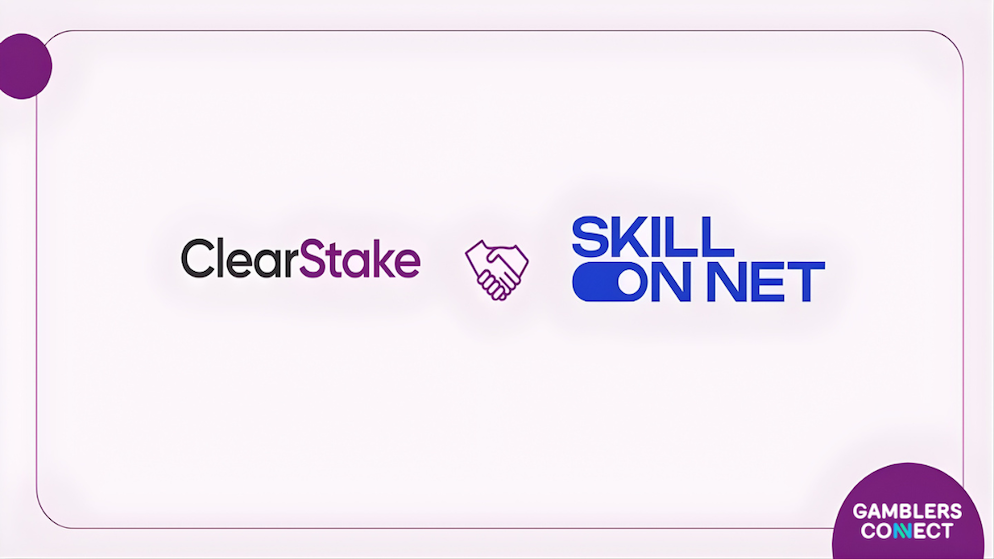
In a decisive move to streamline its regulatory obligations, SkillOnNet has announced a global partnership with ClearStake.
The collaboration aims to modernize the operator’s Enhanced Due Diligence (EDD) and Source of Funds (SoF) processes across its entire portfolio of brands, including the award-winning PlayOJO. This partnership represents a significant shift from traditional, document-heavy workflows toward a more automated, data-driven approach to player compliance.
Bank-Based Verification and Real-Time Decisions
SkillOnNet will implement ClearStake’s proprietary bank-based verification technology, allowing for real-time financial assessments. By replacing manual document uploads, which are often a major source of friction and “drop-off” during the registration process, with automated decisioning, the operator can significantly improve the player experience while maintaining the highest standards of integrity.
ClearStake’s platform provides a “gambling-specific intelligence layer” that gives SkillOnNet precise control over what information is requested and when. This allows for a tailored approach to player protection, ensuring that interventions are both consistent and proportionate to the risk.
Sustainable Growth in Regulated Markets
The rollout will commence in the United Kingdom, a market currently undergoing significant regulatory shifts regarding affordability and player checks. Following the UK implementation, the companies plan to expand the system into other regulated jurisdictions globally.
Eyal Naor, COO of SkillOnNet, emphasized the importance of this technological leap:
“Enhanced due diligence is central to sustainable growth in regulated markets. ClearStake allows us to strengthen controls while improving speed and consistency across the player journey.”
Martin Burt, CEO of ClearStake, added:
“EDD is a core revenue, risk and operational challenge for operators. The ClearStake platform is built to optimise these processes, helping operators make faster and better decisions without relying on manual document checks.”
As operators face increasing economic pressure and shifting tax landscapes, the move toward automated compliance is becoming a competitive necessity, protecting margins while ensuring that player safety remains a top-tier priority.