

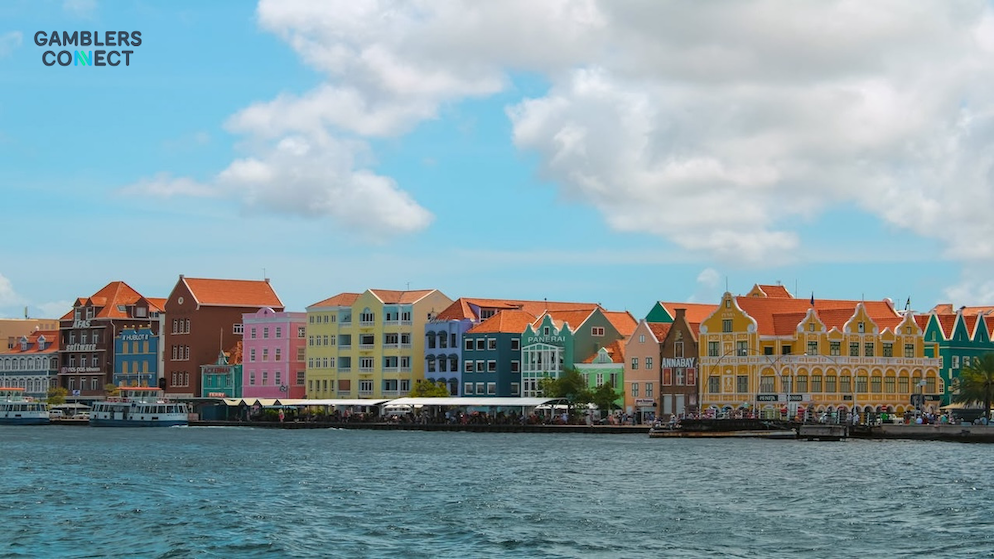
A court case in the Netherlands involving the operator Qbet is starting to ripple far beyond its borders, and Curaçao is right in the middle of it.
The dispute involves Qbet being described by Nederlandse Loterij as one of the biggest illegal gambling operations targeting players in the country, a claim that fits into a wider pattern of Curaçao-licensed operators appearing in enforcement actions across Europe.
A Pattern of Compliance Shortcomings
Companies like Stake, Santeda International, and Novatech seem to pop up regularly in legal trouble, often tied to operating in markets where they are not supposed to be or falling short on compliance checks. Authorities are now starting to look at the bigger picture, including the licensing hubs that make this ecosystem possible.
Pressure is mounting from the inside as well, with local media in Curaçao asking uncomfortable questions about the island’s reputation as an “easy” place to get a license.
The LOK Reform: A Race for Reputation
Curaçao has announced a new set of reforms under its updated gambling framework, known as LOK, which is due to kick in from October 2026. These changes are meant to tighten standards significantly:
- Terms and Conditions: Operators must be clearer about their contracts.
- Identity Checks: Stricter protocols to prevent accounts from being created with fake details.
- Enforcement: The possibility of suspending or revoking licenses for non-compliance.
The question is whether these rules will actually change anything in practice, as the bigger issue has historically been how consistently rules are applied.