
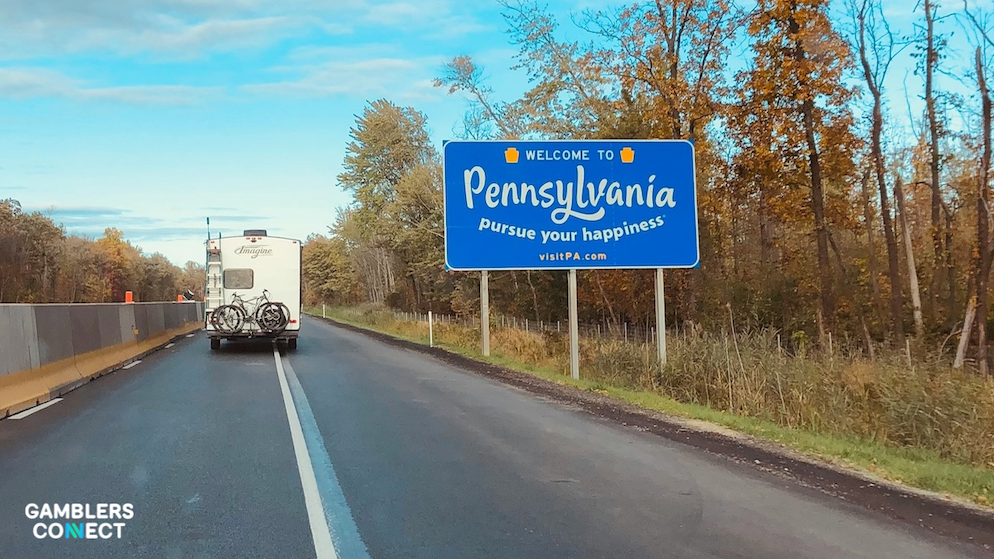
Pennsylvania gaming regulators have officially launched a massive underage gambling awareness campaign titled “What’s Really at Stake.” This comprehensive educational initiative is specifically designed to target and dismantle the rising trend of illegal youth betting across the state.
State officials have strategically timed the launch to coincide with National Problem Gambling Awareness Month and the onset of the NCAA Men’s Basketball Championship, a period that historically drives massive sports betting volumes annually.
The Data Behind the Youth Betting Epidemic
Recent academic studies have brought to light terrifying statistics regarding youth betting behaviors in the United States. Data indicates that 75 percent of American college students gambled within the last year, with an alarming 18 percent doing so on a weekly basis. Despite this high level of activity, only 22 percent of universities currently maintain formal campus gambling policies.
Sports betting impacts the 18-to-22 demographic with particular intensity; over 58 percent of these young adults placed sports wagers recently, and six percent reported losing over five hundred dollars in a single day. Furthermore, there is a severe lack of awareness regarding support; only 14 percent of college men and 16 percent of female students know where to seek help for gambling-related issues on campus.
The Offshore Threat and Regulatory Compliance
The addiction data for college students (6%) is now double the national adult average. Pennsylvania regulators point directly to illegal offshore platforms as a primary driver of the underage gambling awareness crisis, as these unregulated foreign websites bypass the strict age verification software used by legitimate state operators.
In response, the state is demanding absolute compliance from all licensed licensees. Operators are urged to audit their marketing affiliates diligently to ensure they are not improperly targeting college campuses. The Department of Drug and Alcohol Programs has developed new educational materials for parents and teachers, accessible through the official state website, to align with these broader health initiatives.