

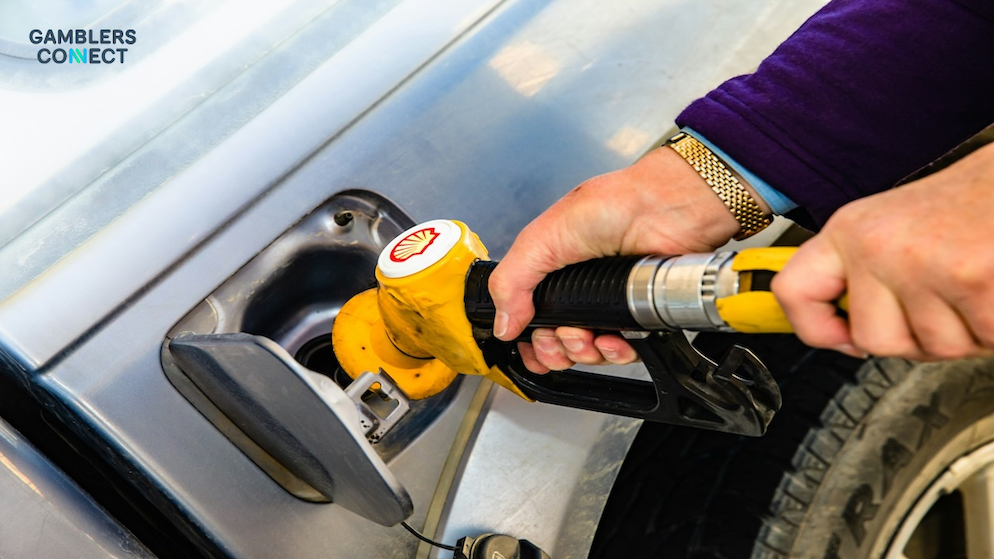
The global iGaming landscape is facing an unprecedented operational strain as the escalating oil crisis, fueled by intensifying conflicts in the Middle East, drives energy costs to historic highs.
Alejandro Tengco, Chairman and CEO of the Philippine Amusement and Gaming Corp (PAGCOR), warned that premier gaming hubs including Singapore, Macau, and the United States have not been spared from the economic fallout.
Intensifying Market Pressures
The remarks were delivered during an industry event in Manila, set against a backdrop of severe disruptions in maritime trade. The Gulf region, which supplies approximately 20% of the world’s oil and gas, has seen volatility peak following military operations involving the US and Israel against Iran on February 28.
In the Philippines, a major fossil fuel importer, fuel prices have already doubled, prompting the government to implement emergency energy-saving initiatives and tax exemptions to mitigate consumer impact.
Investment analysts have highlighted a similar “energy crunch” in Macau, where high utility costs are squeezing operator margins. Tengco placed these regional struggles within a global context, noting that economic uncertainty is affecting several major gaming markets simultaneously.
A Call for Global Industry Coordination
During a formal press release on Wednesday, Tengco emphasized the need for a unified front during these turbulent times:
“These are not the best of times for everybody. Sustained dialogue and cooperation will play a vital role as circumstances change. It is necessary for all industry players to remain connected and assist each other. PAGCOR will adjust what it needs to do and remain aligned with the times while keeping responsible gaming at the center of its work.”
Decoupling and Privatization Roadmap
Tengco also addressed the long-awaited plan to separate PAGCOR’s regulatory duties from its commercial operations. The plan to sell off the state-owned Casino Filipino chain is currently under review by the Governance Commission for Government-Owned and Controlled Corporations (GCG).
“Many are asking for the decoupling and the agency is awaiting the GCG’s decision. If privatization is approved, the entire gaming industry will undergo a transformation.”
Privatization is tentatively scheduled to begin in 2026, though it remains contingent on legislative amendments to the agency’s charter. For now, the regulator remains focused on navigating the dual pressures of rising energy costs and structural reform amid what is likely one of the most concerning oil crisis in the Middle East.