
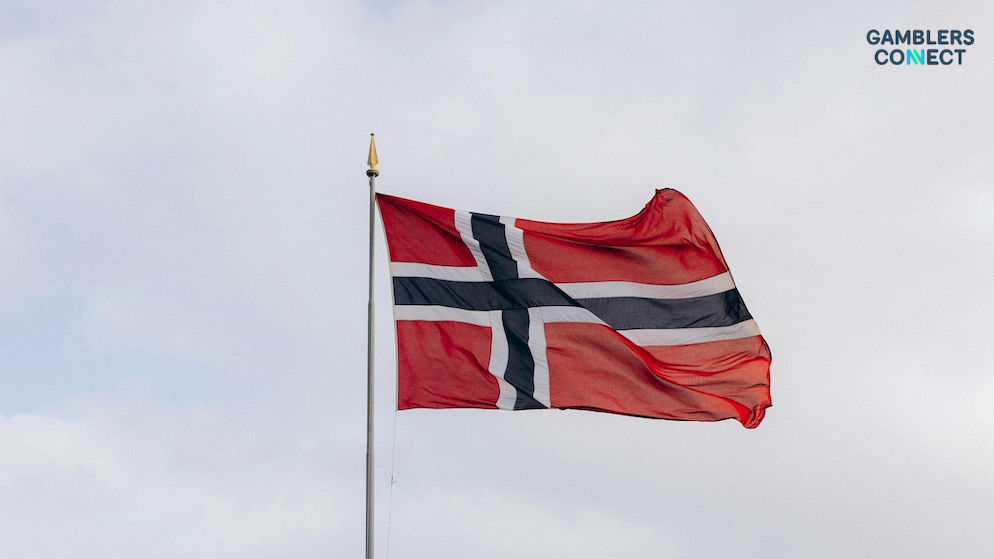
Norway’s state gambling operator, Norsk Tipping (KongKasino) is being pushed toward tighter controls after regulators warned that online casino gambling is growing faster than the country’s protection systems were designed to handle.
The concern is centered on Norsk Tipping and, more specifically, its digital casino arm KongKasino. What began as a channelization success story for Norwegian authorities is now creating a different kind of policy problem: too many players are staying inside the regulated system, and they are spending more time on casino products considered among the highest-risk forms of gambling.
A Surge in Regulated Casino Users
Figures submitted by Lotteritilsynet to the Ministry of Culture show the number of online casino users at Norsk Tipping has climbed from roughly 200,000 in 2020 to around 400,000 this year. Regulators noted that 50,000 of those customers were newly activated during 2025 alone. This growth prompted a direct intervention from Lotteritilsynet Director General Atle Hamar, who has ordered additional player monitoring and stronger individual controls on casino activity.
The anxiety inside Norway’s gambling authority is not simply about scale; it is about who is arriving. Officials increasingly believe younger users are entering regulated gambling already conditioned by gaming mechanics, influencer content, streaming culture, and digital reward systems that blur the line between gaming and betting. Casino products, with rapid play cycles and constant availability through mobile devices, sit at the center of those fears.
Balancing Protection and Market Control
Norway’s monopoly model has long defended itself on public-interest grounds. The state has argued that a tightly controlled market dominated by Norsk Tipping and horse-racing operator Norsk Rikstoto is more effective than an open licensing system at keeping consumers away from offshore operators.
On paper, regulators still believe that strategy is working. Authorities estimate foreign gambling companies account for somewhere between 12% and 14% of Norway’s overall gambling market by gross gaming revenue. Participation rates also appear to be moving in the government’s favor. Lotteritilsynet said 2.6% of Norwegians used foreign operators in 2025, down from 3.8% the year before.
The complication is hidden inside the product mix. In gambling verticals where foreign companies directly compete, online casino games, sports betting, and horse wagering, offshore operators still control roughly 31% of the market. Norsk Tipping holds about 55%, while Rikstoto accounts for another 14%.
That leaves regulators trying to solve two conflicting objectives at once. They want Norsk Tipping attractive enough to pull users away from unlicensed sites, but not so successful that the state operator itself becomes a driver of gambling harm. Hamar appears increasingly aware of that contradiction. Regulators now fear some players hitting Norsk Tipping’s loss caps may simply continue gambling elsewhere, particularly on unlicensed international casino sites operating outside Norwegian safeguards.
New Friction Measures Under Discussion
The regulator is considering a series of new friction measures aimed specifically at casino products. One proposal would force players through mandatory educational prompts and risk-awareness modules before gaining access to certain games. Authorities are also discussing more proactive interventions for players whose behavior begins to show risk patterns.
The pressure on Norsk Tipping has already produced visible changes in one area. Self-exclusion tools were made more prominent after scrutiny from regulators, and registrations for gambling exclusion reportedly surged by 200% during 2025. Even with those interventions, the numbers emerging from the latest report suggest Norway’s offshore leakage problem remains substantial. Lotteritilsynet estimates Norwegian players lost around NOK 1.9 billion to foreign gambling operators during 2025, equivalent to roughly €165 million. The authority cautioned that revised methodologies make direct year-on-year comparisons imperfect, though the figure still lands around NOK 500 million higher than previous estimates for 2024.
The wider political backdrop has barely shifted despite mounting criticism from European trade groups and commercial betting interests. Norway continues to resist pressure to dismantle its monopoly framework, arguing the model is justified under public-interest exemptions tied to addiction prevention and social funding.
Although Norway participates in the European Economic Area, it remains outside the European Union and retains greater flexibility in preserving exclusive rights for state-controlled gambling operators. Inside the parliament, the Storting has largely backed the existing structure. Revenue generated through Norsk Tipping and Rikstoto continues to support sports programs, cultural projects, and welfare initiatives overseen by the Ministry of Culture.
The tension now sits in whether Norway can continue promoting a state gambling platform aggressively enough to outcompete offshore casinos while simultaneously convincing the public that expanding online casino participation is still compatible with consumer protection.