

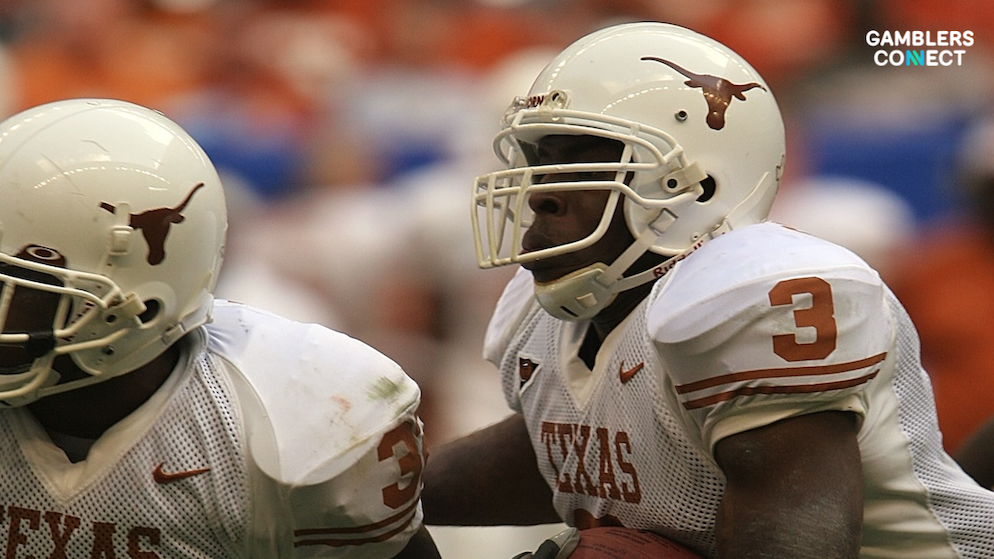
While college life has traditionally been defined by social events and packed stadiums, a pervasive new trend is reshaping the campus fabric, the normalization of sports betting. Despite the NCAA’s stringent prohibitions on athlete wagering, a significant portion of student demographics, including the players on the field, are increasingly drawn into sports betting.
The Hidden Social Infrastructure
Because licensed sportsbooks employ rigorous geofencing and identity verification, much of this campus-based activity has migrated to an unregulated underground scene. Students frequently utilize social media group chats to establish private betting rings. These systems often run on a casual credit basis, with wins and losses settled via mobile payment applications at the end of each weekend. In fraternity settings, this has become so entrenched that new members are often tasked with identifying “locks” or high-value tips for senior members.
Identity Evasion and Regulatory Gaps
For many student-athletes, particularly those without lucrative NIL deals, the motivation is often basic financial need. Some resort to “identity borrowing”, using a parent or family member’s credentials to bypass the digital safeguards of regulated apps.
Detecting these infractions remains a significant challenge for educational institutions. While major regulated platforms have high-tech tracking capabilities, many smaller universities lack the budget for such software.
Consequently, administrators often rely on outdated educational materials, leaving a technical gap that allows the underground “hide and seek” game of campus betting to persist outside the oversight of regulated frameworks.