
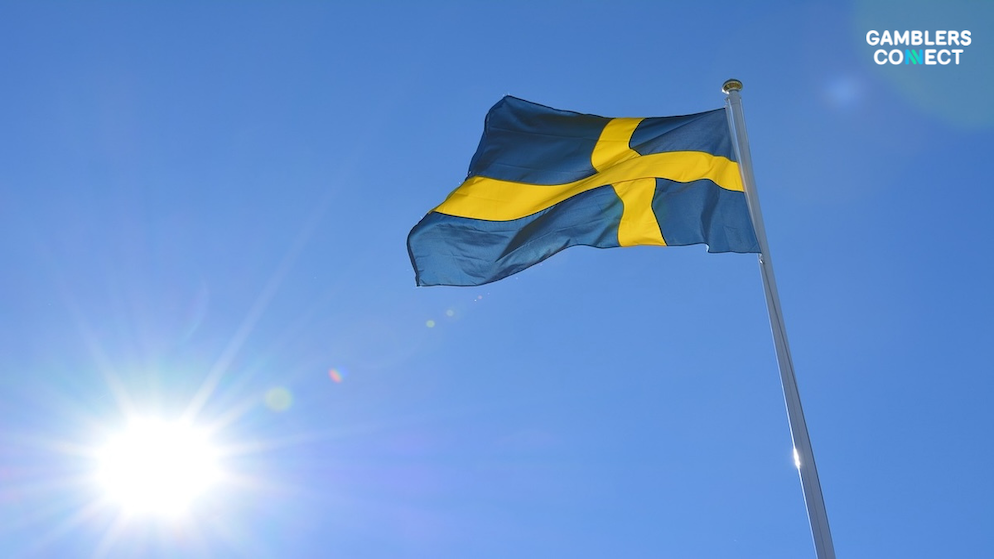
Sweden’s reputation as a gold standard for socially responsible gambling is under fire following a scathing review from the National Audit Office.
The report suggests that while the country’s regulatory framework looks robust on paper, the practical execution of harm prevention is “messy” and inconsistent.
The Scale of the Crisis
The audit estimates that approximately 350,000 Swedes experience some degree of gambling-related harm. This crisis carries a staggering societal price tag of roughly €1 billion (SEK 11.5 billion) annually, covering healthcare, social services, and economic productivity losses.
Policy vs. Practice
A major breakdown occurs in the transition from national strategy to local action. Responsibility is largely decentralized to municipalities, but these local authorities often lack the structured tools and operational guidance needed to intervene effectively. Consequently, access to treatment is “patchy” and depends heavily on a resident’s geography.
Furthermore, the National Audit Office audit highlights a failure to use existing research. “The audit’s conclusion is not that Sweden needs more research, but that it needs clearer direction, stronger coordination, and a more binding structure for applying what it already knows,” the report states.
Youth Exposure Concerns
A growing pressure point is the normalization of gambling among young people. The audit notes that gambling-like mechanics in video games are blurring the lines for minors, yet schools lack the mandate to include gambling harm in core education. Without youth-specific screening tools in healthcare, interventions often occur only after significant damage has been done.