

The rapidly evolving prediction market sector is facing a defining moment of legal and commercial tension. While industry leader Kalshi battles a self-inflicted trademark controversy that threatens its status as a financial exchange, its primary rival, Polymarket, has pivoted toward massive institutional validation through a landmark $150 million partnership with Major League Baseball (MLB).
The Trademark Paradox: Finance or Gambling?
The core of Kalshi’s current struggle lies in a “contradictory” filing with the United States Patent and Trademark Office (USPTO). In an attempt to trademark the term ‘prediction market,’ the company reportedly selected both financial and gambling classifications. This administrative choice has provided significant ammunition to state regulators who argue that these platforms are simply “sportsbooks in disguise.”
Kalshi representatives maintain the broad filing was a defensive branding move, but legal experts suggest that checking the “gaming operator” box on official government forms directly undermines their multi-million dollar lobbying effort to be categorized strictly as a CFTC-regulated financial derivatives exchange.
MLB and LaLiga: A $150 Million Bet on Integrity
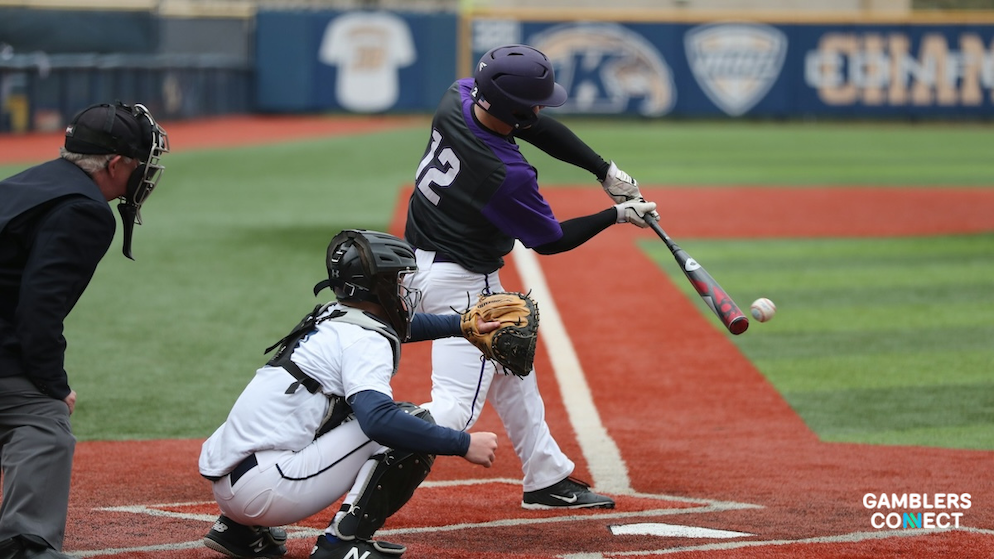
While Kalshi navigates paperwork hurdles, Polymarket is aggressively integrating with professional sports. The new MLB agreement includes a stringent integrity framework designed to prevent market manipulation. To mitigate risks, the platform is prohibited from offering “micro-contracts” on easily rigged events, such as individual pitches or specific umpire decisions.
This strategy extends to Europe, where LaLiga has become the first major soccer league to officially partner with a US prediction market. League officials believe that allowing fans to trade on match outcomes will spike live viewership and bolster the value of North American broadcasting rights. However, the move has drawn sharp criticism from US Senator Richard Blumenthal, who labeled the intersection of professional sports and prediction markets as “appalling”.
A Divided Regulatory Landscape
The battle for the “loophole” continues. By operating under the Commodity Futures Trading Commission (CFTC), prediction platforms currently bypass state-level betting licenses required for traditional sportsbooks.
Arizona authorities have already pushed back, filing criminal charges against Kalshi for allegedly running an unauthorized sports betting ring. As US senators propose new legislation to ban sports-based contracts entirely, the industry remains caught between the English Premier League’s “ban-all” approach to gambling sponsors and LaLiga’s embrace of the forecasting future.