
India’s digital entertainment industry has encountered a major structural shift following an authoritative verdict delivered by the country’s highest judicial body.
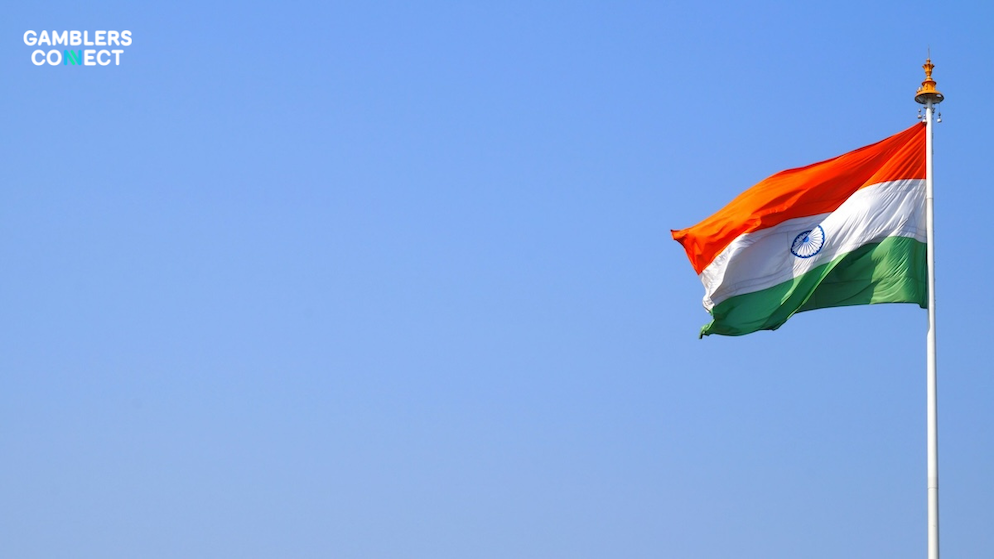
In a move that alters how corporate brands navigate the expanding market, the Supreme Court has ruled that individual states retain full statutory power to regulate, restrict, or completely ban online gaming models within their geographic borders. The ruling stands despite the federal implementation of the Promotion and Regulation of Online Gaming Rules (PROGA) 2026.
Decentralized Control Overturns High Court Precedents
The landmark decision arrives only weeks after New Delhi began implementing the initial phase of PROGA, a centralized framework designed to establish standardized, nationwide oversight across the fast-growing tech sector. Instead of unifying the regulatory landscape, the introduction of the rules prompted state governments to demand precise legal clarification regarding where federal jurisdiction ends and local public order powers begin.
The jurisdictional battle was driven primarily by the southern states of Tamil Nadu and Karnataka, both of which have spent years attempting to enforce stricter prohibitions on real-money gaming software and digital wagering networks. State attorneys successfully argued that the arrival of PROGA should not strip local legislatures of their constitutional authority to intervene when online products are deemed harmful to public welfare.
Particular legal scrutiny was applied to real-money formats such as digital rummy and mobile poker, which have long occupied a complex legal grey area in India.
The Supreme Court ultimately sided with the local governments. A bench led by Justices J.B. Pardiwala and R. Mahadevan concluded that state administrations continue to hold explicit legislative powers in matters linked directly to public order, consumer protection, and local safety. That authority, the panel found, permits states to impose independent restrictions or absolute prohibitions on online gaming networks whenever they believe such intervention is necessary.
The ruling explicitly overturns earlier, pro-industry decisions from the Madras and Karnataka High Courts, which had previously determined that remote gaming regulation fell outside the scope of state-level jurisdiction.
Revival of Local Restrictions and Severe Fiscal Pressures
The judgment fully restores key components of Tamil Nadu’s 2021 gaming reforms alongside multiple strict amendments previously made to Karnataka’s police laws. Both states had introduced targeted measures aimed at halting mobile betting apps, virtual gambling operations, and unapproved gaming platforms before facing challenges from operator groups in lower courts.
The Supreme Court’s intervention now gives those local provisions fresh legal standing. In its detailed reasoning, the judicial bench placed significant weight on rising concerns surrounding consumer financial harm and the systemic exploitation of younger players through real-money wagering products.
For software operators hoping PROGA would construct a single, predictable national rulebook, the verdict points toward a fragmented marketplace. The development represents the latest in a string of recent Supreme Court decisions penalizing the real-money gaming vertical. Only days earlier, the court backed the federal government’s controversial position on corporate taxation, allowing revenue authorities to apply a 28% Goods and Services Tax (GST) to real-money gaming businesses, including on a retrospective basis.
Industry trade associations had argued that applying the heavy tax rate to operational periods prior to October 2023 would severely damage commercial viability and wipe out profit margins. However, that legal challenge failed.
Furthermore, the court signaled that once real money changes hands, legal distinctions between games traditionally classified as skill-based and those considered gambling carry far less weight for state taxation purposes. Taken together, the recent rulings dramatically strengthen both federal and state regulators at the direct expense of commercial operators.
While India remains one of the world’s fastest-growing online gaming markets, digital brands must now scrap single-compliance strategies. Long-term commercial success will increasingly depend on navigating dozens of completely different regulatory frameworks at the state level, each defined by its own local restrictions, shifting enforcement priorities, and specific political pressures.