
Final political negotiations regarding Austria’s highly anticipated new iGaming framework are drawing to a close, with governing coalition parties locked in a major dispute concerning a proposed “cooling-off” period for offshore operators.
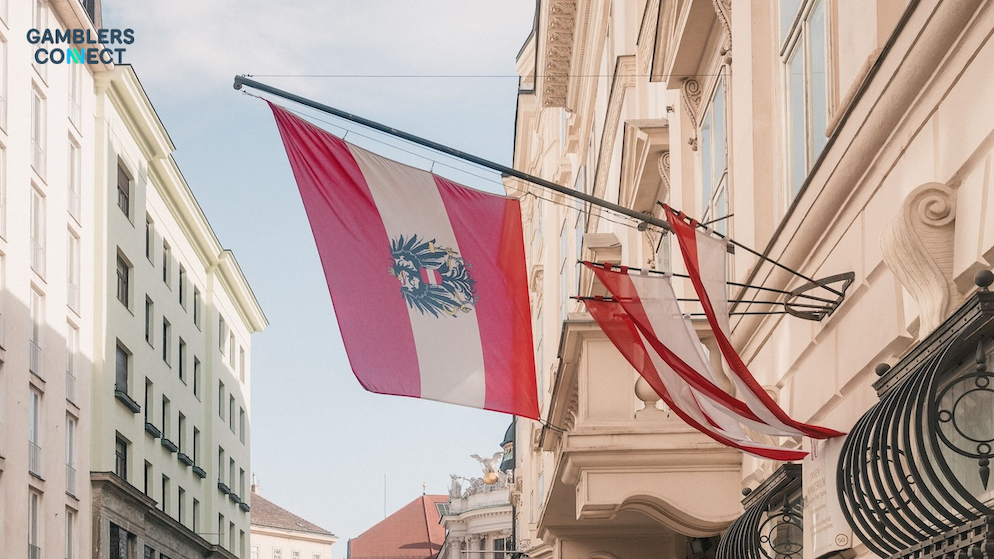
This week, senior negotiators representing the three ruling legislative factions, the center-right People’s Party (ÖVP), center-left Social Democrats (SPÖ), and the liberal NEOS, are scheduled to convene to finalize the definitive operational parameters of the upcoming bill.
The impending legislation marks an absolute sea-change for the domestic gaming sector, terminating Austria’s historical single-license online gaming monopoly following a leaked Ministry of Finance draft obtained by iGB, which established that the current monopolistic concession will officially expire in 2027. However, deep divisions remain regarding exactly which international firms will be permitted to access the newly liberalized market, and how quickly they can deploy their platforms.
Disagreements Loom Over Grey Market Restrictions
The primary battleground center hinges on a proposal favored by the SPÖ-led Ministry of Finance, which seeks to implement a strict, multi-year ban against any digital gaming operator found to have broken historical Austrian gambling laws within the past five years. Public affairs consultant Felix Geyer clarified that this cooling-off phase could enforce a total market blockade spanning between 24 and 36 months, disproportionately impacting prominent European Union licensees.
Land-based casino monopolist Casinos Austria, whose subsidiary, Austrian Lotteries, currently holds the sole online gaming license, has lobbied aggressively in favor of the ban, with major land-based brand Admiral Casinos also demanding a significant transition phase to protect responsible domestic operators.
Conversely, the Austrian Betting and Gaming Association (OWVG) has labeled the restriction an absolute disaster that will severely cripple the government’s primary objectives of capturing tax revenues and bolstering consumer guardrails. Furthermore, legal analysts warn that a lengthy hiatus could prevent grey-market companies from effectively settling outstanding player claims, which the leaked draft defines as a mandatory prerequisite to secure an Austrian license.
Stake Limits and Lottery License Fee Hikes
Beyond the cooling-off debate, political negotiators are battling over an SPÖ-backed consumer protection proposal to cut maximum slot stakes down to €2 while capping per-game winnings at €2,000, a measure the wider industry warns could entirely collapse the regulated digital market. Concurrently, the ÖVP and NEOS are pushing to expand the number of land-based casino concessions from 12 up to 15, while the liberals are demanding that the incoming lottery monopoly license fee be doubled from €20 million to €40 million.
Despite these sticking points, the government plans to finalize the text ahead of July’s parliamentary summer recess, enabling the three-month EU notification process to run over the summer before the law enters into full force this autumn.
The active dispute has been clearly detailed across various sector channels:
“One day you’re operating illegally, and the next day you’re granted a licence – that’s absurd. An initial cooling-off phase of three to five years would be conceivable.”
“The operators of state-run gaming schemes have demonstrated responsible conduct for years. These operators must not be discriminated against by the legislator treating them in the same way as everyone else.”
“A cooling-off period would be the reform killer. The federal government wants to bring players into the regulated market, strengthen player protection and secure tax revenues. With cooling off, the opposite happens: tax-paying operators must leave, the black-market jumps in, existing revenues collapse and already budgeted additional revenues fail to materialise.”