

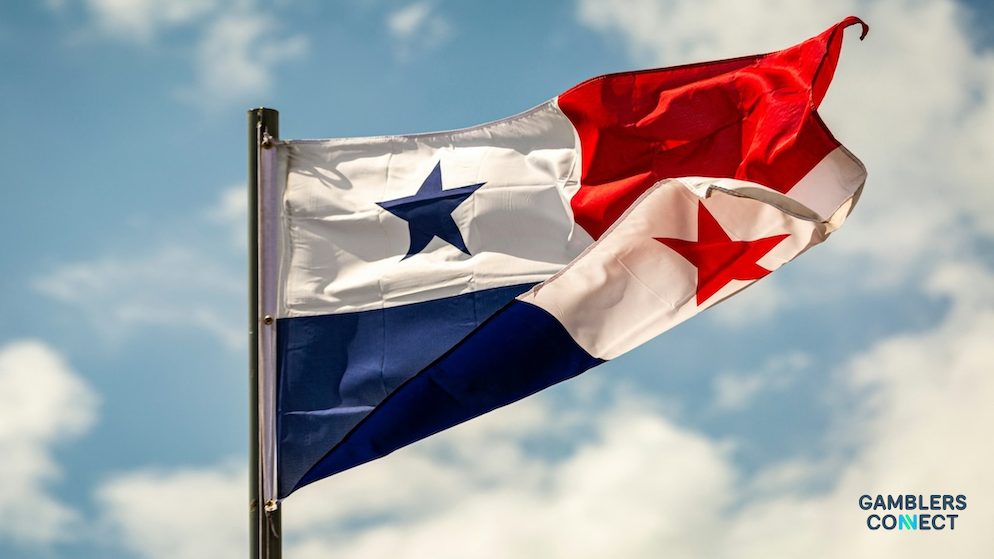
In a landmark decision for Central American gaming regulation, Panama has taken a significant step toward modernizing its oversight system with the National Assembly‘s approval of Bill 403.
Proposed by parliamentarians Raúl Pineda and Crispiano Adames, the legislation is designed to combat problem gambling and enhance protections for vulnerable groups, specifically addressing the explosive growth of the nation’s online gaming sector.
Funding Mental Health through Gaming Profits
A cornerstone of the new law is the mandatory financial contribution to public health. Under Bill 403, gambling establishments are now required to contribute 10% of their annual profits to the Instituto de Salud Mental (INSAM). These funds are earmarked for the treatment of gambling addiction and the establishment of a specialized national center for gambling disorders. This move marks a significant shift, positioning mental health as a core pillar of the country’s regulatory philosophy.
Technological Barriers and Advertising Bans
Bill 403 introduces stringent measures to prevent underage gambling, mandating that digital platforms implement biometric verification systems to ensure user identity. Furthermore, the bill imposes a sweeping ban on gambling advertisements across traditional media, social networks, and sports. Public figures and influencers are also prohibited from promoting betting services, reflecting a zero-tolerance approach to high-visibility marketing that could influence minors.
Empowering the Junta de Control de Juegos (JCJ)
To enforce these new standards, the Junta de Control de Juegos (JCJ) will be equipped with advanced real-time monitoring technology. Non-compliance carries severe weight; operators face fines of up to 10% of their revenue, potential license revocation, and even criminal proceedings.
Additionally, the law introduces educational programs into the national school curriculum to inform youth about the risks associated with gaming. While the bill has cleared the National Assembly, it now awaits the signature of the President of the Republic to officially pass into law.