

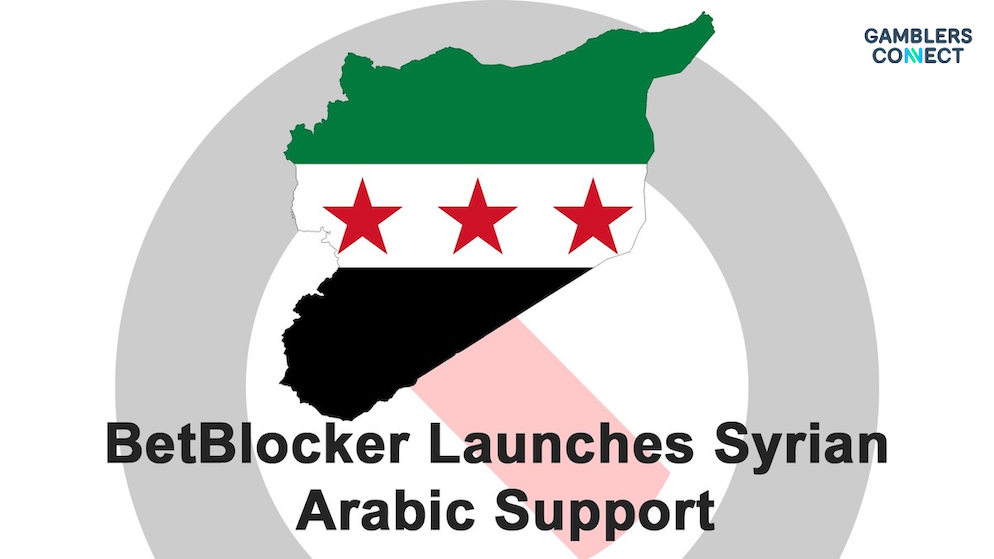
Leading gambling harm prevention charity BetBlocker has announced a significant expansion of its service to include support for Syrian Arabic speakers.
This rollout is specifically designed to address the needs of displaced Syrian communities currently living across Europe and neighboring regions, many of whom face increased risks of gambling-related harm due to linguistic and cultural barriers.
Protecting Vulnerable Diaspora Communities
The organization highlighted that years of conflict have forced large numbers of Syrian citizens into diaspora communities where traditional support services are often inaccessible.
BetBlocker noted that immigrant populations are frequently at a higher risk of harm because religious, social, and linguistic obstacles prevent meaningful engagement with standard player protection tools. By providing a localized interface, the charity aims to empower these users to take control of their digital safety.
Duncan Garvie, Founder and Trustee for BetBlocker, described the move as a critical priority. He stated:
“I’m always really happy when BetBlocker can line-up priorities for where our work for mature markets also facilitates us extending protections to populations that are under served. Extending our support to Syrian Arabic both allows us to submit a more competitive tender to an EU regulator, whilst simultaneously expanding our support to a country/population that currently has very limited options for people experiencing gambling harm. BetBlocker’s uptake in Syria is climbing rapidly at the moment, and this new launch should ensure that far more people who need support can access it.”
Global Reach and Regulatory Alignment
The Syrian Arabic launch follows the charity’s successful project to deliver Ukrainian language support via the Improving Outcomes for Minority Communities fund in the UK. This latest expansion is also a strategic step toward securing a partnership with a major European regulatory agency, demonstrating BetBlocker’s ability to provide scalable, inclusive protection across diverse populations.
As digital gambling becomes more prevalent in conflict-affected regions, the provision of free, accessible blocking software remains a vital pillar of the global safer gambling movement.