

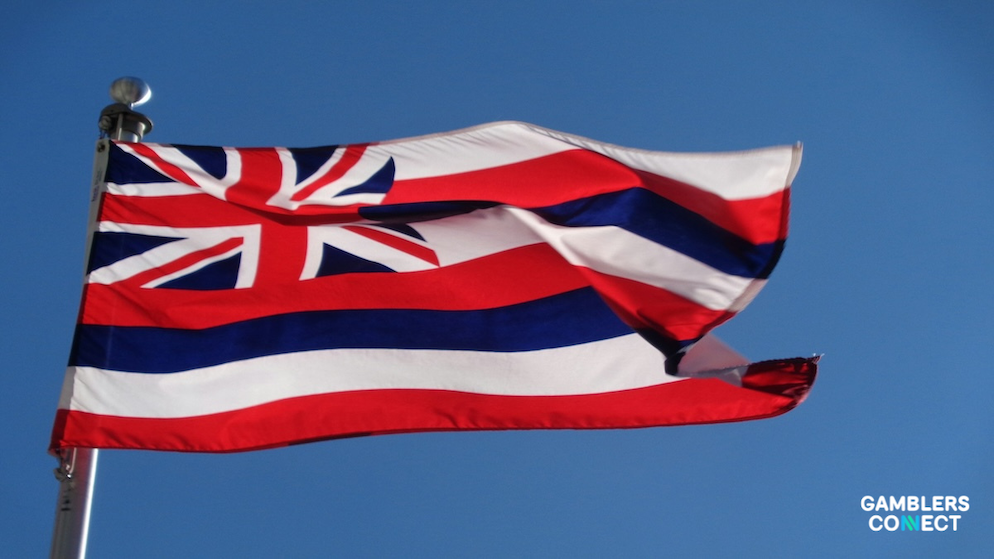
In a move that highlights the shifting legal landscape of 2026, a Hawaii House panel has narrowly advanced HB 2570, a bill that could finally establish a regulated online sports betting market in the Aloha State.
Despite the progress, the hearing held on Wednesday revealed a deep cultural divide, with public testimony overwhelmingly opposing the measure.
Building a Regulated Framework
The proposal seeks to create a strictly limited market consisting of at least six licenses. To ensure only tier-1 operators enter the space, the bill outlines high entry barriers, including a $500,000 licensing fee for a five-year term and a 15% tax rate on gross gaming revenue.
A central feature of the bill is the establishment of a problem gambling prevention and treatment fund. Supporters, including the Sports Betting Alliance, argue that regulation is the only way to protect residents. “Betting is already happening; money is leaving the state,” supporters argued, noting that regulated platforms allow for responsible gaming tools like deposit and time limits.
The Argument for Preservation
However, the push for revenue faces a formidable wall of resistance. Out of the dozens who submitted testimony, the vast majority focused on the potential “tarnishing” of sports and the impact on local culture. Honolulu prosecutor Steve Alm delivered a blunt warning, citing research that suggests 96% of bettors lose money.
“Tribes and states are distinct sovereigns,” Alm noted, emphasizing that the state should not profit from a system that he believes targets lower-income residents and exploits addiction.
The Prediction Market Side-Fight
A significant hurdle in the hearing was the controversy surrounding prediction markets. Opponents like Les Bernal of Stop Predatory Gambling argued that some brands use these “trading-style” products to circumvent state restrictions, calling the practice the “antithesis” of Hawaii’s values.
As HB 2570 moves forward with amendments, the debate now centers on whether Hawaii can generate revenue without compromising its unique cultural identity.