
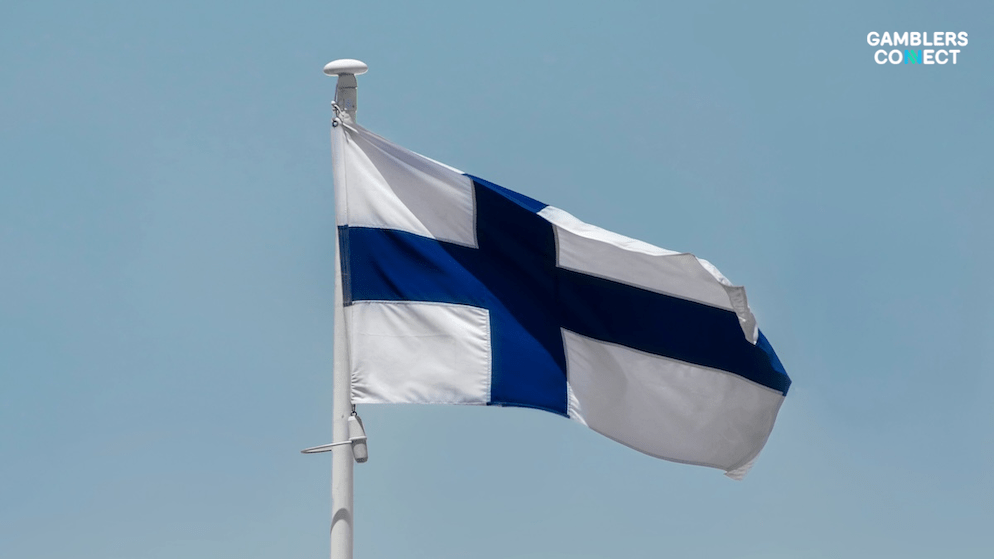
As Finland prepares to dismantle its state-held gambling monopoly, the Finnish Institute for Health and Welfare (THL) has launched a preemptive strike against the projected surge in gambling-related harm.
While the government prepares to accept private license applications starting March 1, 2026, health experts warn that the shift from monopoly to competition prioritizes revenue over public safety.
The “2-4-2” Model: A Credit Line for Safety
With nearly 151,000 Finns (approximately 4.2% of the population) currently struggling with gambling issues, the THL has introduced the “2-4-2” model. This evidence-based framework recommends strict personal boundaries for players:
- Spend: No more than 2% of monthly net income.
- Frequency: Maximum of 4 days of play per month.
- Variety: Engagement in no more than 2 game types.
Finnish Institute for Health and Welfare Research Chief Sari Castrén:
“Gambling involves risks and ultimately the house always wins. “The 2-4-2 is everyone’s credit line for managing their own gambling.”
Clash Between Regulators and Operators
Health advocates are pushing for a “cross-operator loss limit” that would prevent players from chasing losses across different sites. However, international operators, including groups like SkillOnNet, argue that overly restrictive measures will backfire, driving Finnish players toward the “black market” where no protections exist.
Stakeholders have until February 24, 2026, to submit feedback on the proposed regulations. The final rulebook will determine whether Finland can achieve its goal of a safe, regulated market when it officially goes live in July 2027.