
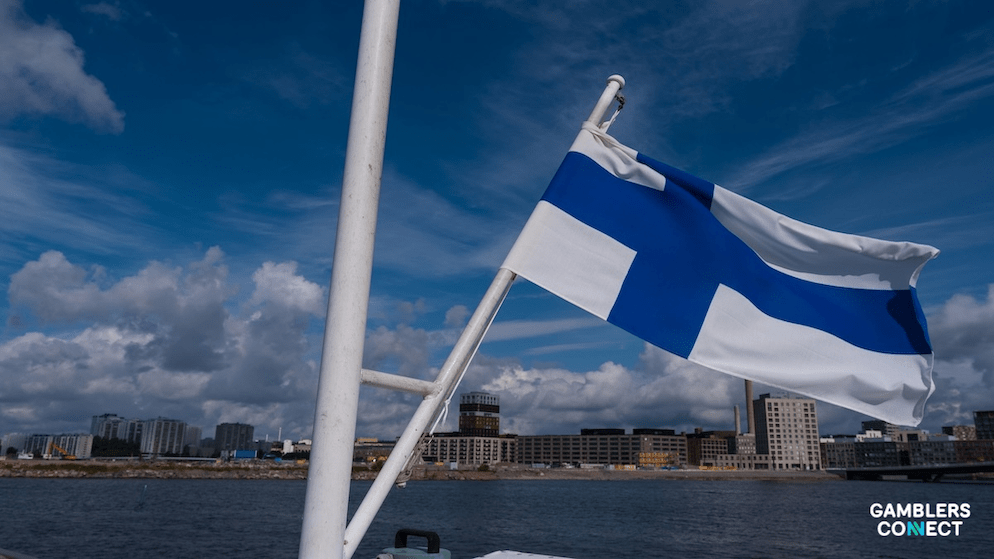
Finland continues to lay the groundwork for dismantling its gambling monopoly, with the government officially establishing the license fee structure for its incoming licensing system.
Following President Alexander Stubb’s signing of the Gambling Act in January, the Ministry of the Interior has confirmed that companies can begin applying for licenses starting March 1, 2026.
The New Fee Structure
Under the new decree on police services, the fee for a standard gambling license in Finland has been set at €29,000. The decree also outlines fees for license alterations and international cooperation authorizations, which will cost €1,120.
The Ministry clarified the scope of these charges in a statement:
“The new fees will be charged for an exclusive licence, a gambling licence and an authorisation for international cooperation for the holder of an exclusive licence or a gambling licence.”
Timeline for Liberalization
The National Police Board will serve as the interim licensing authority until June 30, 2027. During this transition period, operators will undergo vetting to ensure compliance with the new “harm-prevention first” framework, which includes mandatory identification, deposit limits, and a ban on credit-based play.
From July 1, 2027, responsibility will shift to the newly formed Finnish Supervisory Agency, marking the official start of the open market. On this date, licensed private operators will be permitted to offer online betting, slots, and casino games.
Veikkaus Retains Retail Monopoly
While the online market opens up, the state-owned operator Veikkaus will maintain its monopoly over physical slot machines, scratch cards, and lotteries. The reform aims to channel online demand into a regulated system, with a requirement that by 2028, all software used by operators must be supplied by licensed B2B providers.