
Esportes da Sorte, one of the most prominent operators in Brazil’s regulated betting sector, has officially announced that it will serve as the official sponsor for New Year’s Eve celebrations in four of the country’s key state capitals: Salvador, Recife, Natal, and Maceió.
This initiative marks a significant strategic pivot for the brand, expanding its footprint beyond the digital sports betting environment to establish a physical presence at some of Brazil’s largest public gatherings.
Connecting Beyond Sports
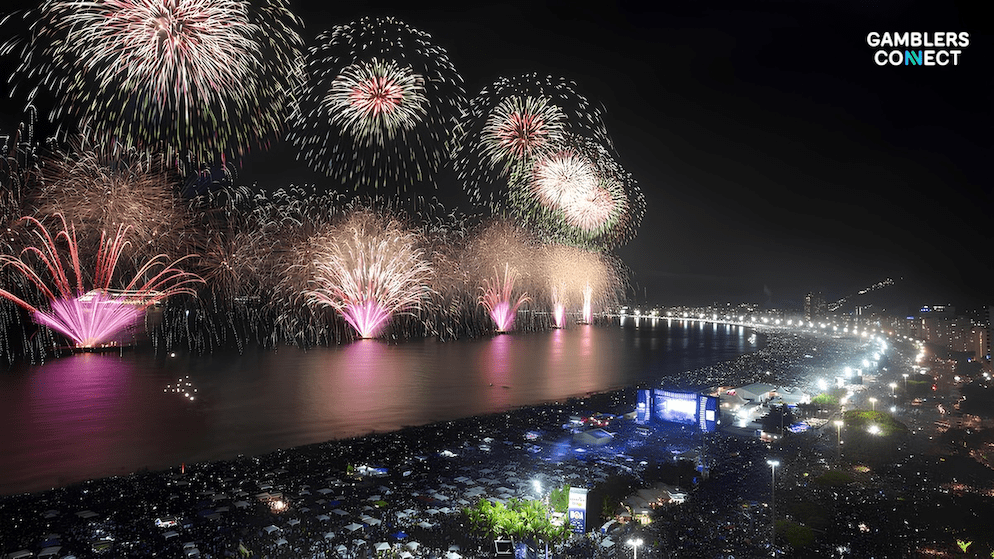
New Year’s Eve, known locally as Réveillon, is a cornerstone of the Brazilian cultural calendar, characterized by mass tourism and nationwide festivities, and by securing sponsorship rights in these major northeastern tourist hubs, Esportes da Sorte is positioning itself at the center of national tradition.
The move reflects a broader industry trend where operators are increasingly diversifying their portfolios, moving beyond traditional football shirt sponsorships to engage with music festivals and cultural heritage events.
Marcela Campos, Vice President of the Esportes Gaming Brasil Group, emphasized the community-centric nature of the deal.
“Sponsoring New Year’s Eve celebrations in four capitals reflects our commitment to being present in moments that bring people together,” Campos stated. “Supporting these cities means valuing their cultural identity, strengthening local ecosystems and celebrating the people who keep these traditions alive year after year.”
On-Ground Activations
In all four cities, the brand will deploy a comprehensive engagement strategy. This includes immersive brand experiences, interactive public activations, and the distribution of branded merchandise, a tactic that has become a signature element of the operator’s event marketing. These activations are designed to enhance the festive atmosphere while promoting responsible enjoyment among the millions of revelers expected to attend.
Building on Success
This campaign builds upon Esportes da Sorte’s established history of supporting major regional events, such as Carnatal in Rio Grande do Norte. As the Brazilian market matures under new regulations, such high-visibility cultural partnerships are becoming essential for brands seeking to build sustainable, long-term connections with the public.