

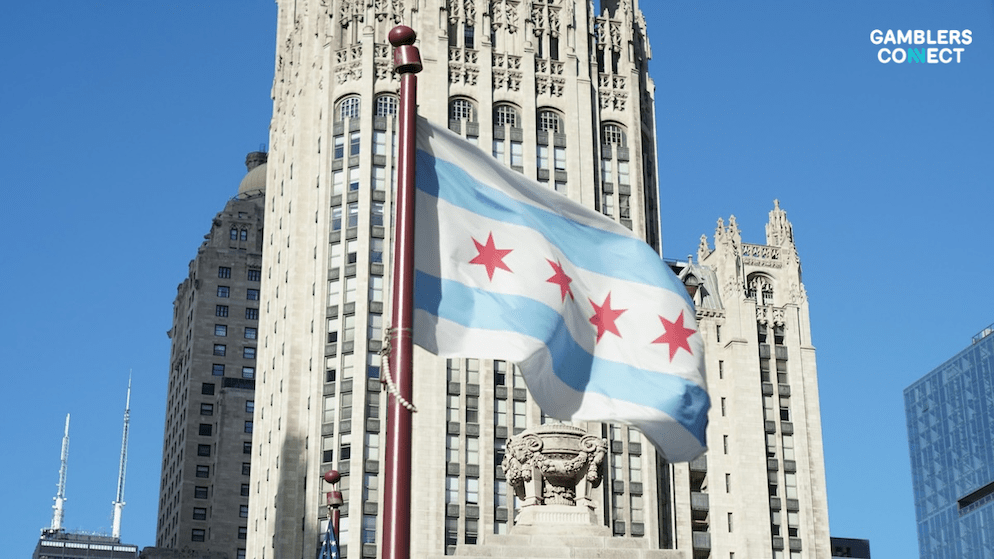
A proposal by Chicago to impose a 10.25% tax on sportsbook revenue has sparked a legislative battle between City Hall and state lawmakers in Springfield. The city argues the tax is necessary to address budget shortfalls, but state officials are moving to block the measure.
Senator Patrick Joyce introduced two bills on January 13 to curb local authority over sports betting taxes. The first, SB 2800, would amend the Sports Wagering Act to grant the state exclusive control, effectively stripping municipalities of their ability to levy such taxes.
His second bill, SB 2760, proposes financial penalties for cities that attempt to impose their own charges. “If passed, it would immediately strip cities and counties of the right to levy their own fees or taxes on sportsbooks,” reports indicate.
Bipartisan Support in the House
In the House, lawmakers have introduced HB 4171, which would explicitly prohibit municipalities from regulating or taxing the sports betting industry. The bill has garnered bipartisan support with 28 co-sponsors.
The conflict arises as Illinois already imposes a statewide tax on sports wagers. The Sports Betting Alliance, representing major operators, previously sued Chicago over the proposed tax, arguing the city lacked constitutional authority. While a licensing requirement was dropped, the dispute over the tax itself remains unresolved.
The outcome of this legislative clash will likely set a precedent for local versus state control over gambling revenues in Illinois.