
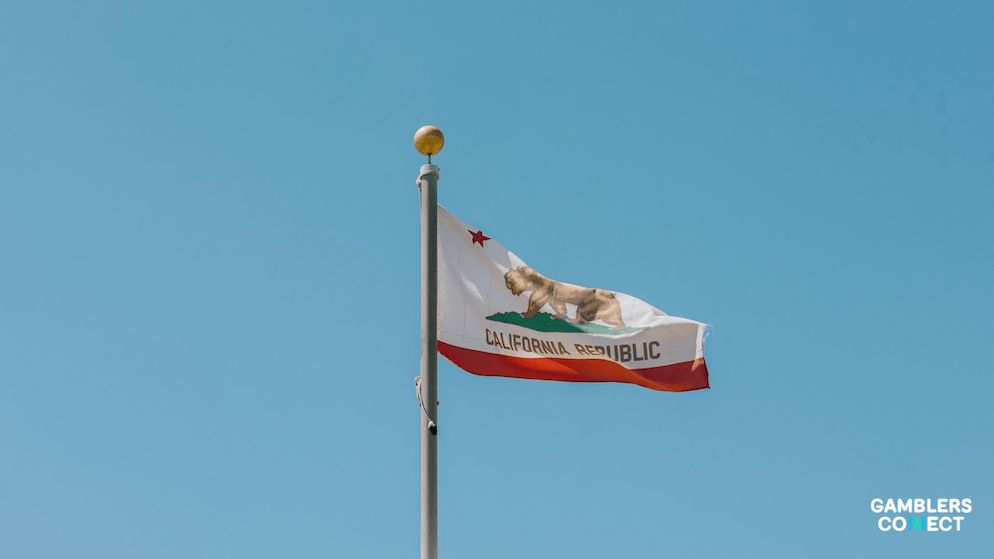
As the Super Bowl returns to California, the state’s strict prohibition on sports wagering is facing an unprecedented challenge. While traditional sportsbooks remain illegal, a multi-million-dollar “gray market” is flourishing through prediction markets like Kalshi.
The “Financial Contract” Loophole
Platforms such as Kalshi have bypassed California’s gaming laws by framing wagers as federally regulated financial contracts rather than sports bets. Unlike traditional bookmakers, these markets allow users to trade peer-to-peer on real-world outcomes. Because they are overseen by the Commodity Futures Trading Commission (CFTC), they effectively circumvent state-level gambling regulators.
Ahead of the 2026 championship, trading volume on Super Bowl contracts, ranging from game winners to celebrity attendance, has surged into the hundreds of millions, dwarfing previous records.
Tribal and Legislative Pushback
This rapid expansion has alarmed California’s tribal gaming leaders, who hold exclusive rights to the state’s legal sports wagering infrastructure. Critics argue that by repackaging gambling as a “derivative,” these platforms pay no state taxes and undermine tribal compacts.
The NFL has maintained a firm “zero-tolerance” stance, barring prediction market advertisements during the broadcast. League officials cite integrity concerns, treating these contracts no differently than prohibited sports betting.
Regulatory Crossroads
The future of this industry hangs on a pending decision from the Ninth Circuit Court of Appeals. A ruling on whether federal commodities law can override state gambling prohibitions could reach the U.S. Supreme Court, potentially forcing California to choose between modernization and traditional state-controlled gaming.