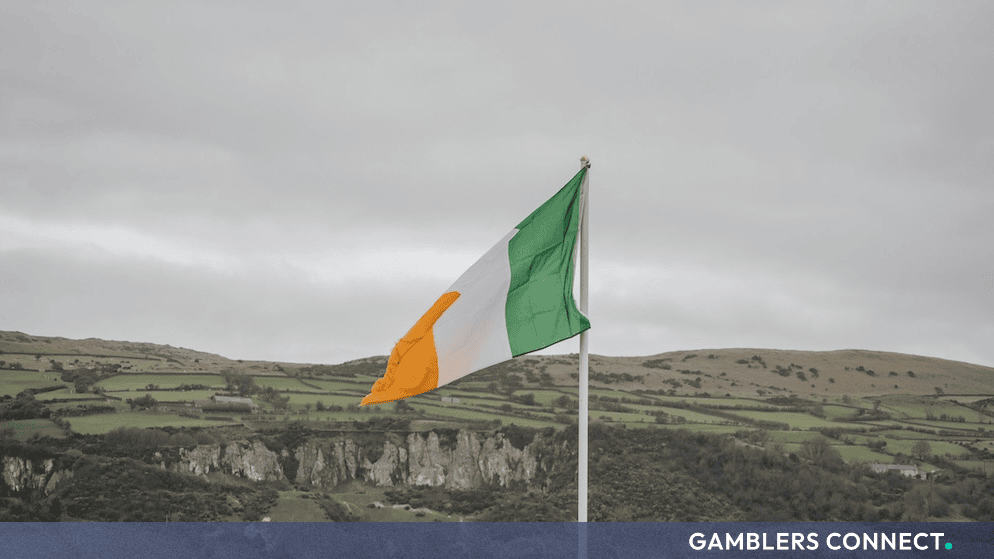
The Department of Justice in Ireland has stated its firm intention to commence the national gambling advertising watershed and the comprehensive prohibition on inducements as soon as is legally and operationally feasible, as the full provisions of the landmark Gambling Regulation Act continue to be phased in.
Signed into law in October 2024, the legislation has experienced a measured rollout as the newly formed Gambling Regulatory Authority of Ireland (GRAI) undertakes the complex task of licensing betting operators across the jurisdiction before ancillary measures take effect.
The GRAI commenced issuing remote betting and betting intermediary licences in July, covering online betting services, remote platforms, and intermediaries facilitating remote wagering between parties.
While numerous legal obligations outlined in the act, such as strict prohibitions against unreasonably withholding winnings and severe custodial penalties for allowing minors to participate in gambling, are already operational for licensed entities, the legislation surrounding the advertising watershed and promotional inducements requires formal implementation by the Minister for Justice, Jim O’Callaghan.
Advertising watershed and industry debates
The proposed daytime gambling advertising ban, set between 5.30am and 9pm, emerged as one of the most contentious measures during parliamentary debates preceding the bill’s enactment. Broadcasters such as Racing TV warned extensively that the restriction would render their dedicated Irish racing coverage economically unviable.
Alongside the broadcast watershed, the legislation establishes strict curtailments on how and to whom bookmakers can offer promotional inducements, such as free bets. Under the act, licensees are barred from offering unauthorized inducements to individuals or specific groups, subject to regulations established by the minister regarding specific conditions and promotional formats.
A spokesperson for the Department of Justice emphasized the core objectives of the legislation:
“At its core, the act is a public health measure aimed at protecting citizens from gambling harm, particularly children, young people, and those in our communities who are more vulnerable. The advertising provisions of the 2024 Act primarily apply to those licensed by the GRAI and have not been commenced as yet. Work is ongoing between the minister for justice, home affairs and migration, and the office of the attorney general in relation to the commencement of various provisions of the act. It is not possible at this juncture to provide a timeline for the commencement of the provisions in respect of advertising.”
Resourcing and budgetary developments
The pacing of regulatory implementation has also been influenced by resourcing considerations. Earlier in the year, correspondence revealed that the GRAI was allocated approximately half of its anticipated 2026 budget, requesting €26 million while receiving €13.35 million. The authority is structured to become entirely self-financing over a three-year period through licensee levies and contributions to a social impact fund based on operator turnover. However, to support accelerated regulatory capacity, it was announced last month that the GRAI secured an increased budget allocation of €22.5 million for 2027.