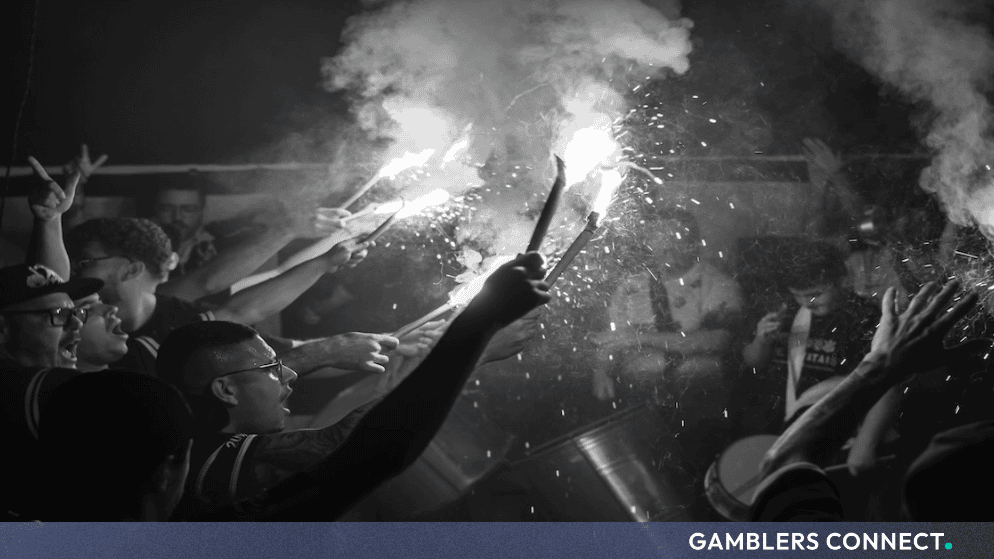
Esportes da Sorte has formally notified Brazilian football club Corinthians of its intention to terminate its principal sponsorship agreement, seeking an exit without incurring any contractual termination fees.
The move follows the nationwide suspension of fixed-odds sports betting enforced across Brazil. Operated by Grupo Esportes Gaming Brasil, the betting brand argues that the regulatory clampdown has made it impossible to fulfill its ongoing contractual obligations.
However, Corinthians firmly rejects the push for outright termination. The club maintains that the agreement should remain suspended while legal and political uncertainties surrounding Provisional Measure (MP) No. 1394/2026 are resolved. First reported by UOL journalists Fábio Lázaro and Danilo Lavieri on October 29 following notice sent on October 26, and later confirmed by Globo Esporte, the dispute has pushed legal representatives from both sides into intensive negotiations to find a resolution.
While Esportes da Sorte asserts that regulatory changes justify a penalty-free cancellation, Corinthians counters that a unilateral exit violates the terms and would trigger contractual penalties.
Lucrative partnership under regulatory pressure
The high-profile partnership was initially established in 2024 as a three-year, R$309 million arrangement before being expanded[cite: 21]. Set to run until December 2029, the renewed contract stipulated a base payment of R$150 million per year, with performance-based bonuses capable of elevating the total value to R$200 million annually. The agreement also provided the club with greater flexibility regarding fund allocation.
Following the strict advertising and operational restrictions introduced under MP No. 1394/2026, Esportes da Sorte immediately halted all promotional campaigns associated with the club. In response to the vacuum, Corinthians pivoted to secure interim partners for its primary shirt placement, briefly featuring artificial intelligence firm Jota before sealing a temporary agreement with e-commerce platform Shopee running through the end of 2026.
Other prominent Brazilian clubs, including Santos and Grêmio, have similarly been forced to navigate alternative sponsorship arrangements. Economist Cesar Grafietti estimated that the broader betting ban could trigger up to a 23 percent contraction in Corinthians’ revenue, reducing figures from R$879.4 million to R$681.4 million.
Supreme Court scrutiny and political uncertainty
The underlying contractual clash mirrors wider turmoil across Brazil’s regulated gaming sector. MP No. 1394/2026 implemented an immediate ban on the operation, offering, intermediation, and advertising of fixed-odds wagering nationwide. While the measure took immediate effect, it remains subject to congressional review and requires approval within a 120-day constitutional window to avoid lapsing. Clubs like Corinthians are leveraging this provisional flexibility to argue for contract preservation rather than permanent dissolution.
The legal battle has also drawn the attention of the Supreme Federal Court (STF). Under Justice Luiz Fux, the court scheduled a public hearing to examine the wider implications of the regulatory freeze, bringing together representatives from the federal government, sports organizations, and the betting industry. As legal and political developments unfold, the outcome is expected to establish crucial precedents regarding financial liability and contractual responsibility across Brazilian professional sports.