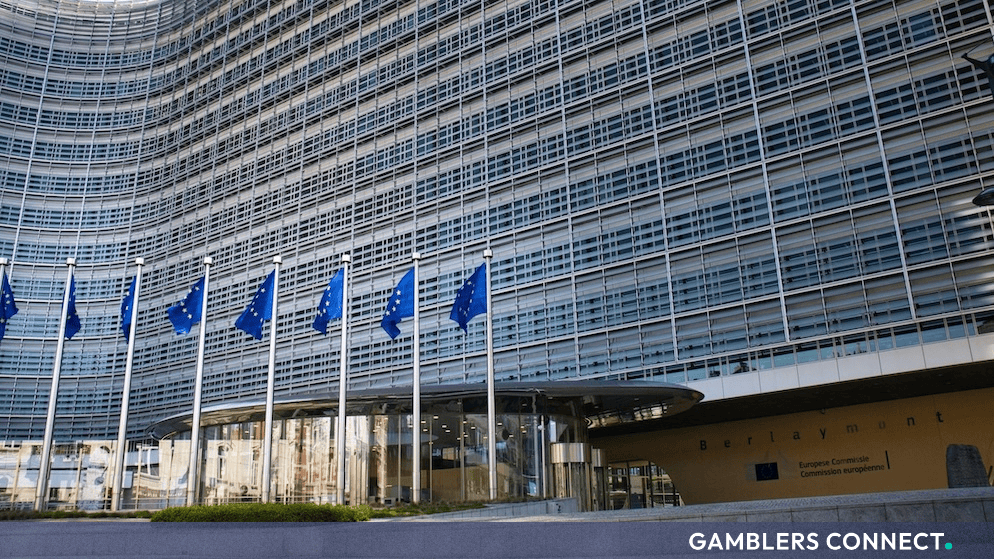
The Dutch online gambling trade association VNLOK is intensifying its regulatory scrutiny of Meta and other major technology enterprises following the publication of a landmark European Commission (EC) study.
The comprehensive research report highlights critical vulnerabilities in existing advertiser verification systems across digital platforms, noting that illicit actors frequently exploit these gaps to execute online marketing fraud.
Commissioned by the EC and executed by research firms Open Evidence and Spark Legal, the study pinpointed six specific verticals commonly manipulated by criminal networks for digital scams: online gambling, financial investments, personal romance, health products, and related sectors. The findings revealed that prominent social media platforms, including Meta, have repeatedly allowed unlicensed gambling entities to launch advertising campaigns directed at consumers in markets where they possess no valid operating license.
“Ad systems let unlicensed operators target users with no valid local licence; fake apps placed on legitimate app stores,” the report explicitly noted. While search engine giant Google recently updated its mandatory certification criteria to require a proven record of compliance and strict policy health, Meta remains under intense international scrutiny following widespread reports of unregulated casino promotions across Facebook and Instagram.
Mounting criticism in the Netherlands and regulatory fallout
Nowhere has the backlash been more pronounced than in the Netherlands. The Dutch gambling authority, Kansspelautoriteit (KSA), estimated that more than 4,600 illegal gambling advertisements surfaced on Meta’s platforms during the single month of April 2026.
In response to the EC study and ongoing domestic infractions, VNLOK is amplifying pressure on Big Tech, building upon the legal summons it served against Meta earlier in the year. The trade association is officially petitioning European lawmakers to amend EU legislation, insisting on mandatory advanced verification protocols for gambling advertisers and sophisticated filtering tools to intercept covert black-market campaigns.
Commenting on the implications for the industry, VNLOK Chairman Björn Fuchs stated:
“This study clearly shows how enormous the fraud and scam challenges are on very large online platforms and search engines. This ties in directly to our court case against Meta and its responsibilities based on the Digital Services Act. These technical juggernauts combine reach, AI and audiences into a mix that is systematically being misused and thus needs more verification and filtering.”
Global regulatory alignment and localized cooperation
The push for tighter tech accountability extends well beyond European borders. Regulatory bodies in Latin America have similarly voiced concerns, urging digital conglomerates to curb unlawful gambling promotion. Notably, Lotería de la Ciudad (LOTBA), the regulatory authority for the City of Buenos Aires, confirmed its intention to forge closer collaborative partnerships with Meta and Google to streamline the blocking of unauthorized advertisements.
At the same time, instances of constructive engagement have emerged. Meta has demonstrated a growing willingness to collaborate with licensed operators to understand black-market dynamics, highlighted by recent cooperative initiatives alongside Åland’s state-owned operator Paf. Nevertheless, industry stakeholders agree that regardless of cooperative milestones, Big Tech’s foundational responsibility remains vital to eradicating online gambling fraud.