Demonstrators Challenge Private Philanthropic Backing of Automated License Plate Readers and Real-Time Intelligence Hubs
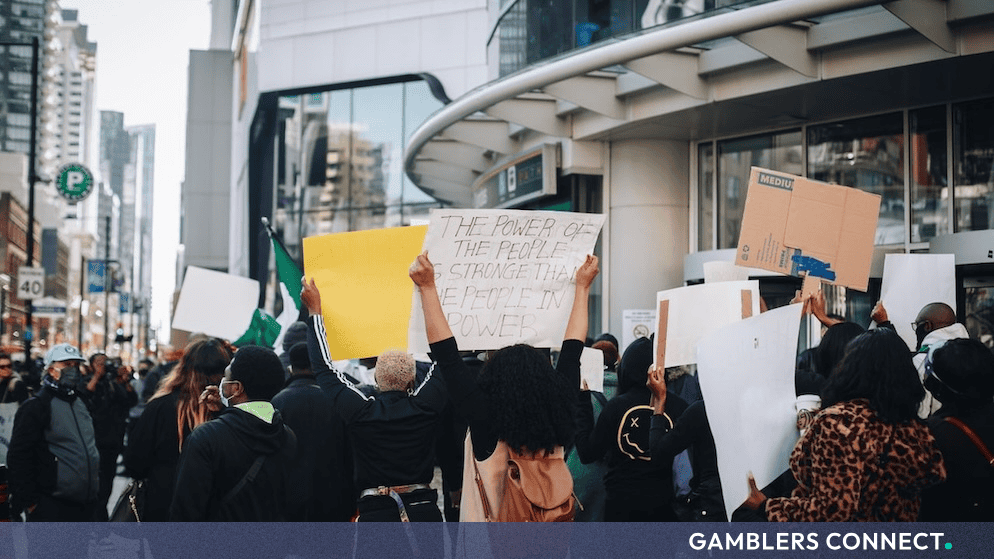
On August 21, local protesters gathered outside the San Francisco residence of Ripple executive chairman and co-founder Chris Larsen. Organized by the Sunrise Movement Bay Area as part of a national campaign, the demonstration challenged Larsen’s financial support for local police surveillance systems, including automated license plate readers supplied by Flock Safety.
During the peaceful demonstration, participants distributed flyers and displayed a mock surveillance camera bearing the message, “Does this make you feel safer, Chris?” No arrests or property damage were reported. The protest highlights a growing civil-liberties dispute surrounding the extent to which wealthy private donors should fund public safety infrastructure.
Funding the Real-Time Investigations Center
The scrutiny centers on significant philanthropic contributions made toward relocating and upgrading the San Francisco Police Department’s Real-Time Investigations Center (RTIC). A foundation established by Larsen committed $7.25 million toward the project, while Ripple provided a rent-free lease for office space at 315 Montgomery Street through December 2026. According to the foundation, the lease value amounted to approximately $2.15 million, contributing to a total $9.4 million support package approved in 2025 by the Police Commission, Board of Supervisors, and Mayor Daniel Lurie.
The RTIC integrates emergency calls, police cameras, drones, and automated license plate readers. City officials stated that the technology has assisted officers in coordinating over 500 arrests and noted correlations with falling auto theft rates, though observers point out that surveillance technology alone has not been definitively established as the sole cause. In July 2026, the Police Commission also approved an additional $3 million connected to Larsen’s foundation to cover technology, infrastructure, and equipment for the center, subject to further review by the Board of Supervisors.
Privacy Concerns Intensify Following Improper Out-of-State Searches
San Francisco currently deploys approximately 400 Flock automated license plate readers, which capture vehicle plates, locations, dates, and times. Privacy debates sharpened after a compliance audit revealed nearly 300 improper searches of local license plate data conducted for federal and out-of-state agencies, a practice restricted under California law.
In response, the San Francisco Police Department revoked the Northern California Regional Intelligence Center’s direct access to its Flock database and pledged tighter oversight. While the improper queries represented a small fraction of total searches, critics argue the incident illustrates the risks of data extending beyond original local purposes. Sunrise organizer Luc Bouchard questioned the efficacy of the cameras, arguing that public funds would be better directed toward housing, employment, and social services rather than surveillance technologies with unproven impacts on crime rates.
Flock Safety Introduces New Privacy Safeguards
In response to widespread scrutiny, Flock Safety announced a series of privacy safeguards on August 13. The company reduced its recommended default data retention period from 30 days to seven days for new deployments, while introducing “Evidence Mode” to allow investigators to preserve specific records tied to active cases. Additional updates include mandatory misuse detection, required case codes, multifactor authentication, and expanded controls enabling agencies to restrict data sharing by offense type.
While organizers intend to continue pressing Bay Area cities to cancel their Flock contracts, city officials have not announced plans to remove the cameras, and Larsen has not publicly responded to the demonstration.