Russia Imposes Bitcoin Mining Ban Across Moscow and Kursk Regions

by Dimitri Dimitrov Published on August 3, 2026
Editorial Standards

☆ Editorial Standards

All news content is produced by qualified journalists and analysts under a published editorial code requiring accuracy, source verification, and editorial review prior to publication.

Advertisers and commercial partners have no influence over news coverage.


News editorial policy · Contact us
✓ Fact-Checked

✓ Fact-Checked

Every article undergoes senior editorial review.

Regulatory and legal reporting is cross-referenced against primary sources including official government and regulatory authority records.

Corrections are issued transparently with a visible update notice.


News fact-check policy
⊘ Independence

⊘ Independence

Gamblers Connect is a B2B iGaming media platform.

Editorial decisions, including what to cover, how to cover it, and what to publish, are made independently by our newsroom.

Commercial partners may purchase publication frequency but cannot influence editorial tone, angle, or content.


News independence policy
↗ Commercial Disclosure

↗ Commercial Disclosure

Gamblers Connect is a B2B media platform. We generate revenue through subscriptions, B2B referral partnerships, directory listings, advertising, and media services.

Gamblers Connect is not a licensed gambling operator, affiliate, or player acquisition channel in any jurisdiction.

We do not earn revenue from player activity, wagers, or deposits.


News commercial disclosure · Contact us
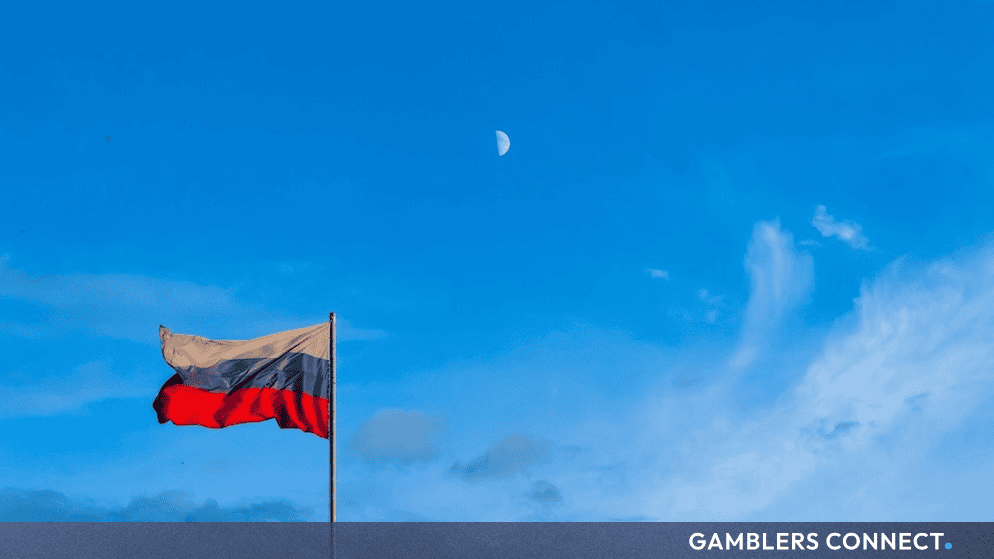
: The Russian national flag waving against a clear blue sky with a half moon visible above.
Key Takeaways
⏱ 2 min read
1
Geographic Scope — The ban covers Moscow, Moscow Oblast, eight municipal districts of Kursk Oblast, and Lgov
2
Timeline — Signed on July 25 and published on August 1, the decree takes effect on August 15 and remains in force through December 2032
3
Grid Protection — The measure aims to mitigate electricity shortages caused by high power consumption from data centers and crypto mining
4
Broader Framework — The regional restriction operates alongside national regulations, which allow commercial mining for registered entities and establish equipment registries for tax and monitoring purposes

Government Decree Targets Grid Stability Amid Rising Power Consumption Concerns

The government of Russia has signed Government Decree No. 936 on July 25, formally banning Bitcoin (BTC) mining and pool participation across Moscow, all of Moscow Oblast, eight municipal districts of Kursk Oblast, and the city of Lgov. Published on the official legal information portal on August 1, the restriction takes effect on August 15 and runs through the end of 2032.

The measure formalizes a proposal introduced by the Energy Ministry in late June, which warned that unrestrained year-round mining in these regions risked producing severe electricity shortages. According to Moscow Oblast energy minister Sergei Voropanov, crypto mining accounts for approximately one gigawatt (GW) of power consumption on the city’s grid. Voropanov projected that combined data center capacity in Moscow and Moscow Oblast could reach 3.6 GW by 2032, representing about 17% of the grid’s projected maximum load.

Parallel Regulatory Approaches and Legal Developments

The Moscow-region decree operates independently from Russia’s broader national framework for the mining industry. Under legislation signed by President Vladimir Putin in 2024, commercial mining is permitted for companies and entrepreneurs listed on a government registry, while unregistered individuals are restricted to defined electricity consumption limits.

Furthermore, Russian authorities launched a national registry for mining equipment in July 2025 to monitor power usage, track operators, and strengthen tax enforcement.

The decree’s release followed a Russian court’s decision to move BitRiver founder Igor Runets from house arrest into pre-trial detention over fraud allegations involving an equipment deal with energy conglomerate En+. Additionally, the State Duma passed legislation last month that could allow regulated retail crypto trading while maintaining the ongoing ban on using crypto for domestic payments.

Together, these developments highlight Russia’s dual-track strategy of applying localized bans to safeguard grid stability in high-demand zones while simultaneously bringing commercial crypto operations under formal national oversight.


Dimitri Dimitrov

Dimitri is an iGaming expert with nearly a decade of experience and a knack for crafting content that speaks directly to the iGaming crowd. He understands affiliate marketing, player psychology, and search algorithms, which enables him to write engaging, data-driven articles.

Sources
1 source verified before publication. This news is an official press release that traces directly to official documents by Coin Market Cap. How we verify sources →
1
Gamblers Connect only publishes verified and official news from reputable media outlets. Read our full editorial standards →
Mentioned in this Article