Extensive Livestream and Broadcast Schedule Marks the Network’s Post-COVID Tournament Return
ESPN is significantly expanding its media footprint for the World Series of Poker (WSOP) Main Event in the United States this year. This milestone marks the first time the Bristol, Connecticut-based sports broadcasting giant has aired poker’s premier championship tournament since the onset of the COVID-19 pandemic. The highly anticipated $10,000 buy-in World Championship tournament officially begins on July 2, 2026, hosted across the Horseshoe and Paris Las Vegas venues.
Following a competitive multi-year period from 2021 through 2025 where broadcast rights shifted to CBS Sports Network, poker enthusiasts will experience a return to a classic format paired with an enhanced, modern multi-platform programming model. The 2026 framework introduces a revamped linear television and digital livestream calendar designed to offer unprecedented depth of coverage from the initial shuffle up and deal through to the coronation of the world champion.
The “August Nine” Blueprint and Syndicated Highlight Packages
A major structural alteration to this year’s execution is the reintroduction of an extended tournament intermission. The field will play down to the final table of nine contenders on July 13. With each individual likely guaranteed a baseline payout of at least $1 million, these players will take a multi-week hiatus to rest, study opposing player strategies, manage media obligations, and potentially secure lucrative corporate sponsorship deals.
The final nine will return to the felt on August 3 for three consecutive days of live coverage airing sequentially on ESPN2 and ESPN.
For casual viewers who prefer edited, condensed highlight blocks, a secondary broadcast schedule has been structured via ESPN2. The network will premiere four dedicated pre-final table recap episodes across late July, followed by post-event final table compilations scheduled to debut on August 9 and 10. To support standard viewing opportunities, these curated episodes are slated for multiple syndicated re-broadcast runs throughout August.
The on-air production features iconic commentary personalities, including the familiar broadcasting voices of Lon McEachern, Norman Chad, Ali Nejad, and Nick Schulman. This broadcast package is further supplemented by comprehensive, around-the-clock live reporting provided on-site from start to finish by the PokerNews editorial division.
Global Syndication Networks and International Viewership Parameters
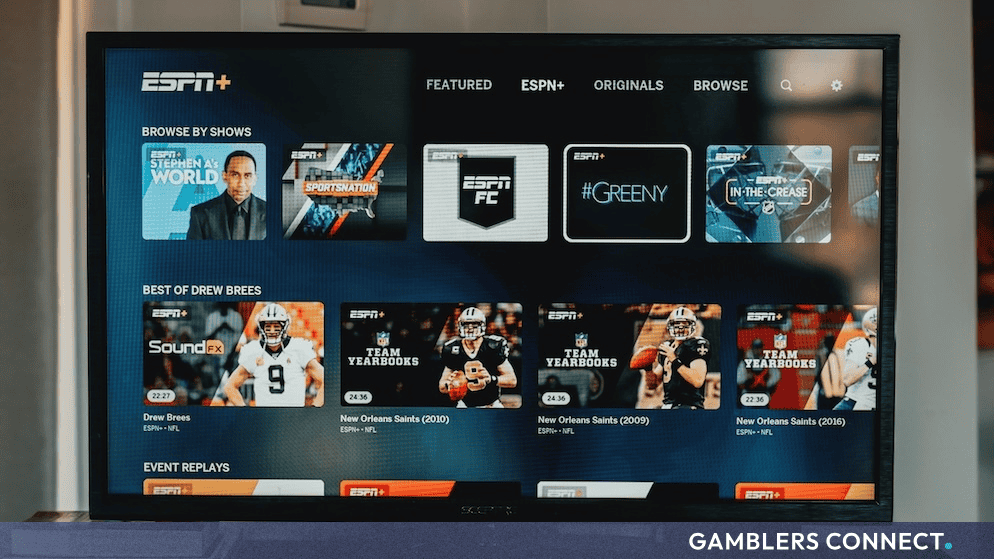
Because the standalone ESPN+ mobile and desktop applications are strictly geofenced to the United States domestic market, alternative cross-border streaming options have been deployed via Warner Bros. Discovery corporate channels to service international poker communities.
Throughout continental Europe and Asian territories, the premium HBO Max application will host live final table feeds alongside custom 45-minute condensed highlight packages. Concurrently, regional audiences located across the United Kingdom and Ireland can access identical high-definition coverage options through dedicated programming on TNT Sports, HBO Max, and Discovery+.
Complete ESPN / ESPN2 Domestic Broadcast Programming Schedule
The following operational schedule details the full 2026 broadcasting arrangement, containing all primary livestream blocks, edited premiere times, and subsequent linear network distributions.
July 2 – July 8
- Coverage Type: Daily Livestream (Days 1a through Day 3)
- Distribution Channel: ESPN+ App (Paid Subscription Required)
- Air Time (ET): 8:00 PM – 2:00 AM Daily
July 9 – July 13
- Coverage Type: Daily Livestream (Days 4 through Day 8)
- Distribution Channel: ESPN+ App (Paid Subscription Required)
- Air Time (ET): 3:00 PM – 7:00 PM & 9:00 PM – 3:00 AM Daily
July 21, 22, & 26
- Coverage Type: Edited & Condensed Pre-Final Table Action
- Distribution Channel: ESPN2 Linear Channel
- Air Time (ET): July 21 Premieres at 9:00 PM & 10:00 PM (Re-airs on July 22 & 26)
July 28 & 29
- Coverage Type: Edited & Condensed Pre-Final Table Action
- Distribution Channel: ESPN2 Linear Channel
- Air Time (ET): July 28 Premieres at 8:00 PM & 9:00 PM (Re-airs on July 29)
August 3
- Coverage Type: Live Final Table Simulation (Day 1)
- Distribution Channel: ESPN2 Linear Channel
- Air Time (ET): 9:00 PM – Midnight
August 4
- Coverage Type: Live Final Table Simulation (Day 2)
- Distribution Channel: ESPN Linear Channel
- Air Time (ET): 9:00 PM – Midnight
August 5
- Coverage Type: Live Final Table Finale (Championship Resolution)
- Distribution Channel: ESPN Linear Channel
- Air Time (ET): 10:30 PM – 1:30 AM
August 10, 11, 13, 15, & 19
- Coverage Type: Edited & Condensed Main Event Finale Compilation
- Distribution Channel: ESPN2 Linear Channel
- Air Time (ET): Premieres Aug 9 & 10 at 10:00 PM (Syndicated re-airs on Aug 11, 13, 15, & 19)
Technical Analysis: Evaluating HLS Streaming Protocols and Edge-Server Distribution in Global Live Sports Broadcasting
From a network engineering and cloud infrastructure perspective, coordinating a multi-hour live poker broadcast spanning up to six consecutive hours over multiple days requires a highly stable architecture. Unlike traditional sports events with fixed time parameters, live poker tournaments feature highly variable schedules and unpredictable commercial intervals. To handle massive concurrent viewer surges without causing buffering, the digital distribution pipeline converts raw high-definition studio feeds into adaptive HTTP Live Streaming (HLS) or Dynamic Adaptive Streaming over HTTP (DASH) protocol blocks at the primary broadcast location.
These chunked video fragments are instantly distributed outward via a multi-tiered Content Delivery Network (CDN), routing traffic through localized edge servers positioned closest to the end user. This setup keeps latency remarkably low, which is absolutely vital for interactive elements like real-time graphic overlays detailing a player’s changing pot equity and exact hole cards.
Additionally, because international broadcast regulations vary significantly regarding the display of gambling-related content, the API layer must smoothly integrate geographic content filtering blocks. This targeted filtering ensures that while domestic audiences receive unhindered access to the main subscription stream, international data feeds are safely routed through authorized regional networks like HBO Max or TNT Sports, satisfying local compliance rules without adding processing lag to the core broadcast engine.