

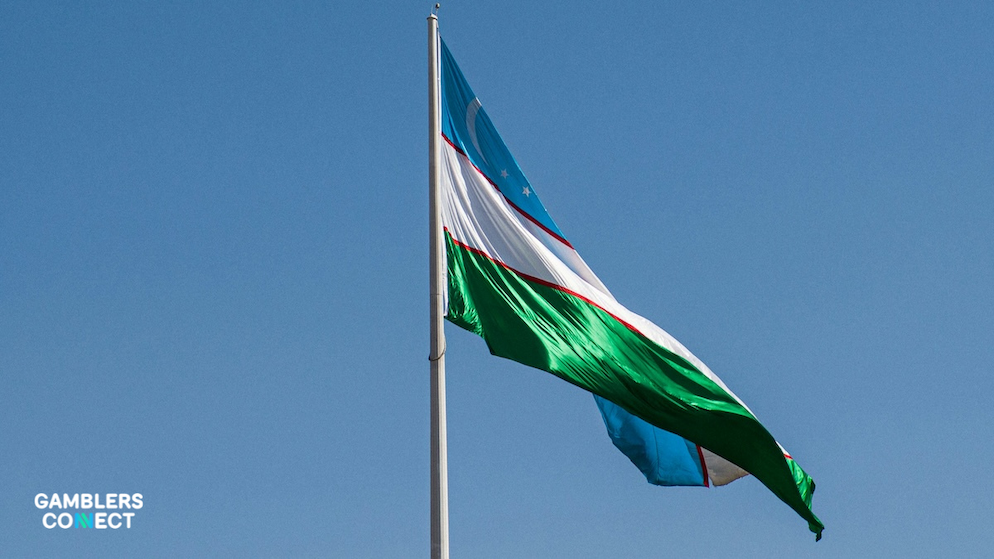
It has been over a year since the legal framework for online betting officially opened in Uzbekistan, yet the market remains in a state of anticipatory silence.
Despite establishing comprehensive rules for online betting, lotteries, and internet games of chance, the nation is still awaiting its first licensed operator, as the gap between regulatory theory and market execution persists.
A Deliberate Filter for Market Entry
In a recent interview on March 18, Askarjon Zakirov, an official from the National Agency for Prospective Projects (NAPP), clarified that while several companies have engaged in consultations, none have yet moved forward with a formal license application.
Zakirov identifies two primary reasons for this delay: the intensive preparation required for operators to meet strict compliance obligations, and a regulatory design that intentionally sets a very high bar for entry to ensure social and financial safety.
Strict Foundations and Social Safeguards
The current regime is rooted in a 2024 presidential decree that took effect on January 1, 2025. The requirements for applicants are extensive:
- Local Presence: Applicants must be registered legal entities in Uzbekistan with servers hosted onshore.
- Financial Security: Operators must maintain significant paid-in capital and reserve funds in cash.
- Player Screening: Digital identification is mandatory, with strict bans on minors, certain public sector employees, and individuals on social protection lists.
The Infrastructure Hurdle: The Unified State Register
A major technical barrier to market launch is the rollout of the Unified State Register of Players and Bets. This real-time monitoring system is essential for the NAPP to track transactions and enforce player restrictions. Until this infrastructure is fully operational and embedded into the industry, the market remains theoretical.
With application fees set at approximately 206 million soums, the cost of entry is only the beginning of a larger commitment to a highly controlled, socially responsible gaming ecosystem. Uzbekistan’s authorities have framed this slow rollout as a deliberate choice to prioritize welfare over immediate tax revenue.