

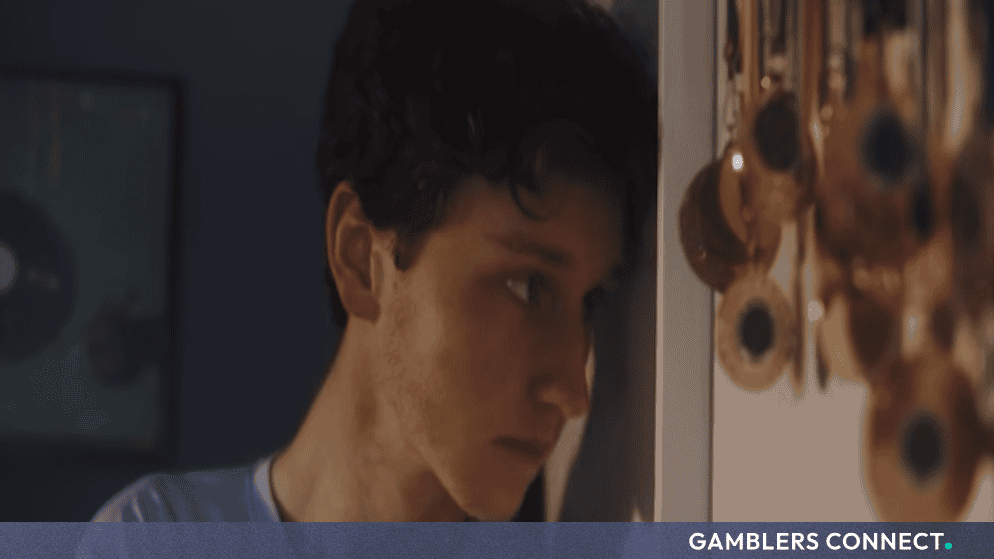
GRAI and HSE Addiction Services Join Forces to Help Families Recognize Warning Signs as Lines Between Gaming and Gambling Blur
The Gambling Regulatory Authority of Ireland (GRAI) has launched a nationwide public awareness campaign urging parents and guardians to monitor and recognize early signs of gambling behaviors in children. Developed in partnership with the Health Service Executive (HSE) Addiction Services, the initiative provides dedicated advice on the official regulator portal to equip families with practical tools, conversation guides, and professional support resources.
The multimedia campaign spans video-on-demand, radio, digital audio, and social media platforms to deliver its guidance directly to households across Ireland.
The Neurological Risks of Early Exposure
Modern digital entertainment has increasingly blurred the lines between gaming and gambling. Seemingly harmless online activities frequently incorporate financial risk, real money, and elements of chance that can negatively impact developing brains.
According to research commissioned by the GRAI and conducted by the Economic and Social Research Institute (ESRI), children who engage in gambling are twice as likely as adults to develop severe gambling addictions later in life. Because children’s brains are still developing the neurological pathways responsible for judgment and impulse control, they struggle to accurately calculate risk, making high-volatility scenarios highly appealing.
Anne Marie Caulfield, CEO of the GRAI, commented on the unique challenges of the online era:
“We have launched this campaign to help parents start an important conversation about the risks of underage gambling. Children and young people are among the most at-risk members of Irish society when it comes to gambling exposure and harm. Children’s brains are still developing the judgement and impulse-control systems used to weigh up risk, which makes gambling appealing to them. With online gambling available at any time of the day, it is easy for the warning signs to be hidden. The guidance the GRAI developed with the HSE Addiction Services sets out some of the key behavioural signs to look out for in your child.”
Identifying and Managing Youth Gambling Risks
The campaign highlights that early detection and open lines of communication are vital to preventing gambling harm. The GRAI and HSE have outlined several core strategies and warning signs for parents:
Key Signs to Look Out For
- Financial Anomalies: Frequent requests to borrow money, a sudden focus on betting topics, or unexplained spending habits.
- Behavioral Shifts: Mood swings, unexplained anger, guilt, or defensive lying about their online activity and financial resources.
- Daily Impacts: Poor sleep hygiene, continuous fatigue, drop-offs in academic performance, and gradual isolation from friends or hobbies.
Proactive Strategies for Families
| Operational Strategy | Practical Parental Application |
| Early Conversations | Initiate simple, age-appropriate chats about risk early on, as children encounter gambling themes through sports and home media long before they understand them. |
| Identify Hidden Risks | Learn to spot gambling-style mechanics in popular video games, such as randomized loot boxes, which encourage paying real money for uncertain outcomes. |
| Establish Firm Boundaries | Explain the neurological risks of underage gambling to teenagers (ages 12–17) and make your expectations clear regarding the strict 18+ age limit. |
Heavy EU Penalties Loom Under the Gambling Regulation Act 2024
Minors’ safety and protection remain central components of Ireland’s Gambling Regulation Act 2024. Once the legislation is fully commenced, the state will enforce some of the strictest penalties in the European Union against operators who permit underage individuals to engage in gambling activities.
These legislative measures aim to protect vulnerable demographics and ensure that licensed operators comply with strict consumer safety standards.