

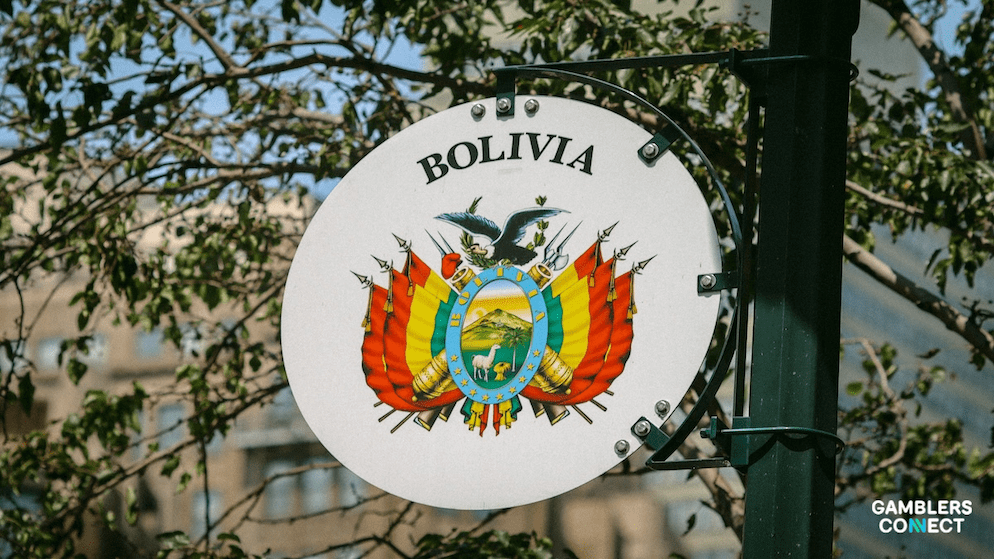
Bolivia is poised for a radical economic shift under the leadership of newly inaugurated President Rodrigo Paz, who has unveiled a proposal to completely exempt games of chance from taxes.
This bold initiative is part of a broader legislative package designed to stimulate the economy, simplify the fiscal landscape, and restore investor confidence.
President Rodrigo Paz argues that the current tax structure on gambling and financial transactions has failed to meet its revenue redistribution goals. According to government data, these specific taxes contribute less than 1% to Bolivia’s total public income.
When the administrative costs of monitoring and enforcing these taxes are considered, the net benefit to the state is negligible. Furthermore, the administration believes these levies have actively harmed the investment climate, driving capital flight.
The President highlighted that an estimated USD 7 billion in capital has left the Bolivian economy in recent years due to regulatory uncertainty and restrictive fiscal policies. The gaming industry, which is particularly sensitive to such pressures, has seen declined participation and investment.
By removing these taxes, the government aims to reverse this trend and position Bolivia as a competitive destination for international capital.
This proposal extends beyond gaming, aiming to lift levies on financial transactions and promotional activities as well. The administration’s strategy focuses on lowering barriers to entry for key sectors including technology, tourism, and financial services. If approved by Parliament, the elimination of gaming taxes could encourage local reinvestment, attract global operators, and foster innovation within the sector.
While critics may express concern over potential revenue loss, the government insists that the long-term economic growth generated by a more open and stable market will outweigh the immediate fiscal impact.
The coming months will see intense parliamentary debate as stakeholders assess whether this deregulation will successfully catalyze the economic renewal President Paz envisions.