

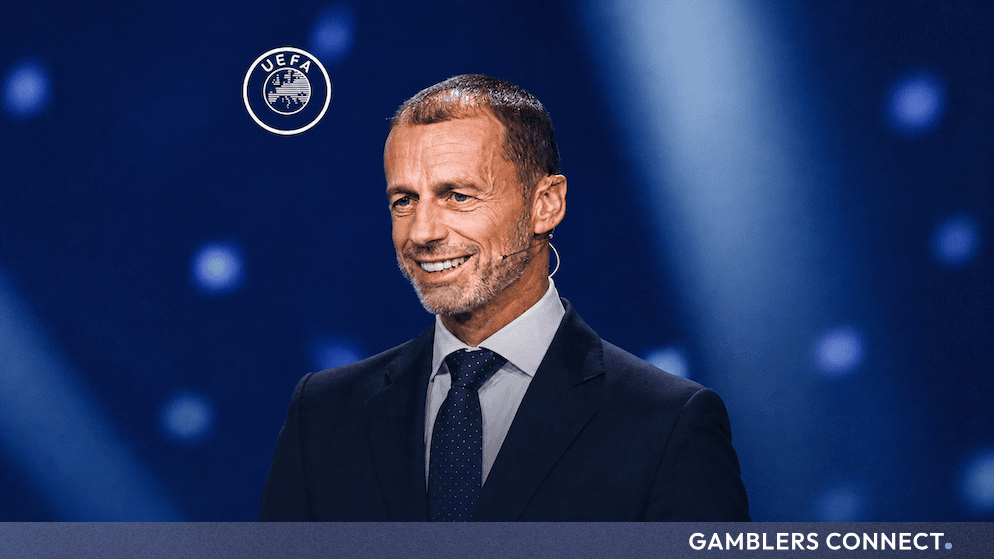
During a high level meeting in Berlin, UEFA President Aleksander Čeferin announced his decision to stand for a final term, confirming he will seek re-election at the 51st UEFA Ordinary Congress in Astana, Kazakhstan, on April 22, 2027. Following unanimous requests from all 55 UEFA national associations, Čeferin reversed his previous decision not to seek re-election, committing to guide European football beyond 2027. Concurrently, UEFA member associations united to demand sweeping structural changes and new leadership at FIFA.
Continuing the mission to keep European football united
Meeting with presidents and general secretaries from all 55 UEFA national associations in Berlin, Čeferin accepted calls to remain at the helm of European football. His decision follows extensive expressions of support and encouragement from stakeholders across the continental game.
Expressing gratitude for the backing of member associations, Čeferin stated:
“I want to thank the national associations for their trust. We have faced extraordinary challenges over the past years, and we have faced them as one team. There is still important work ahead, and I have therefore accepted their request.”
He added:
“My ambition remains the same: to keep European football united, make our game stronger and leave UEFA ready for the next generation. I am also deeply grateful to my family. This decision asks a great deal of them too, and I could not have taken it without their understanding and support.”
Pushing for radical structural changes at FIFA
Beyond internal governance, the Berlin gathering focused heavily on the future leadership and administration of world governing body FIFA. With the exception of the Association of Football Federations of Azerbaijan, all UEFA national associations agreed on a unified direction for FIFA reform.
Member nations reiterated that institutional adjustments alone are insufficient, stating they have lost confidence in current FIFA leadership. The associations called for a respected, unifying figure rooted in football to command cross regional confidence and uphold strict standards of development, integrity, and independence. Discussions will continue ahead of a follow up meeting scheduled before November 17, 2026.
The endorsed reform package encompasses three core pillars:
- Institutional Governance: Establishing strict separation of powers, empowering the FIFA Bureau, reinforcing the FIFA Council, streamlining committees, restricting the FIFA President to a representative and leadership role, and ensuring an accountable General Secretary.
- Decision Making and Accountability: Protecting oversight bodies from executive interference, requiring Bureau unanimity for International Match Calendar changes, granting member associations agenda rights, and enforcing a structured consultation process.
- Development and Resources: Implementing member association led development support, safeguarding FIFA Forward allocations from political interference, and establishing a transparent reserves policy delivering at least $10m in additional funding to every compliant association.