

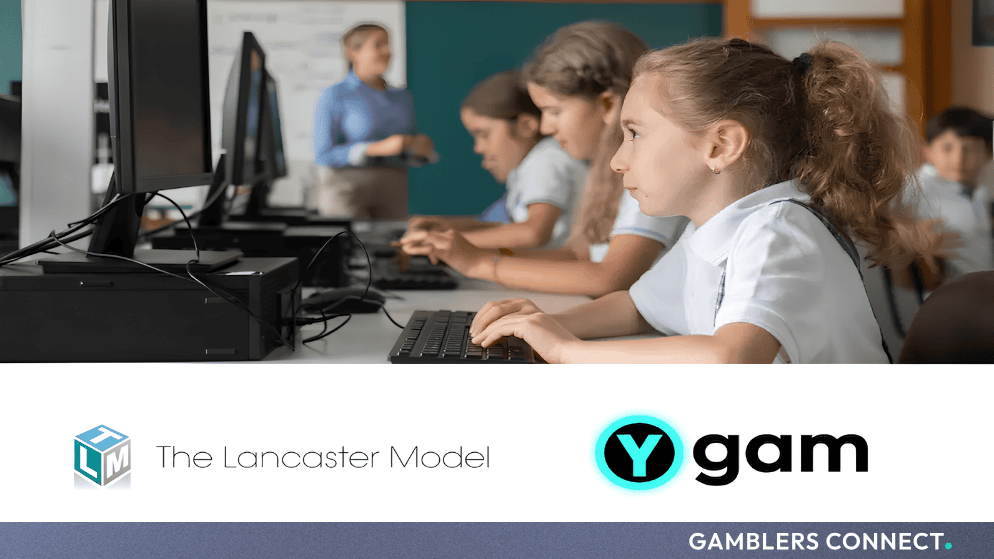
Charity Ygam has announced a new research partnership with The Lancaster Model (TLM), a digital health platform utilized by school nursing and public health teams throughout the UK. Analyzing approximately 18,000 health and wellbeing assessments from children aged 13 to 17, the partnership reveals that over one in seven young people have gambled.
Examining youth gambling prevalence and digital exposure
The partnership grants Ygam access to one of the largest datasets of its kind, leveraging digital questionnaires that enable school nurses and public health teams to identify health needs and provide timely interventions. Survey responses gathered between 2023 and 2026 show that while 82% of adolescents have never gambled, 15% have done so at least once.
Disparities exist across demographics, with 21% of boys and 40% of non-binary and other-gender young people reporting prior gambling experience. Furthermore, nearly 3% of respondents reported experiencing gambling harms, prompting Ygam to expand questionnaire metrics to capture exposure to gambling advertising, promotions, and chance-based video game mechanics.
Executive commentary
Emily Tofield, CEO of Ygam, stated:
“Gambling should never be normalised for children. At the same time, we must recognise the reality of the environment young people are growing up in, where exposure to gambling can be difficult to avoid, whether through advertising, sport, social media, gaming or the content they encounter online.”
Tofield added:
“That is why this new partnership with The Lancaster Model is so important. By combining Ygam’s expertise with one of the UK’s largest sources of young people’s health and wellbeing data, we have a unique opportunity to strengthen the evidence base for a public health approach focused on prevention and early intervention.”
Kath Lancaster, founder of The Lancaster Model, commented:
“Schools are often where changes in children’s health and wellbeing first become visible, but young people don’t always walk through the door and tell an adult when something is wrong. That’s why The Lancaster Model, our digital universal health needs assessments, covering a range of health and wellbeing topics, is so valuable.”
Lancaster further noted:
“In this instance, it has enabled Ygam to study the anonymised thoughts and concerns of young people on gambling, revealing groups of children who are experiencing gambling harm. Interestingly, these groups of young people were also more likely to express they wanted help or support and say they want more information about gambling. That’s what makes asking the question so important.”