Regulatory Oversight and Enforcement Measures
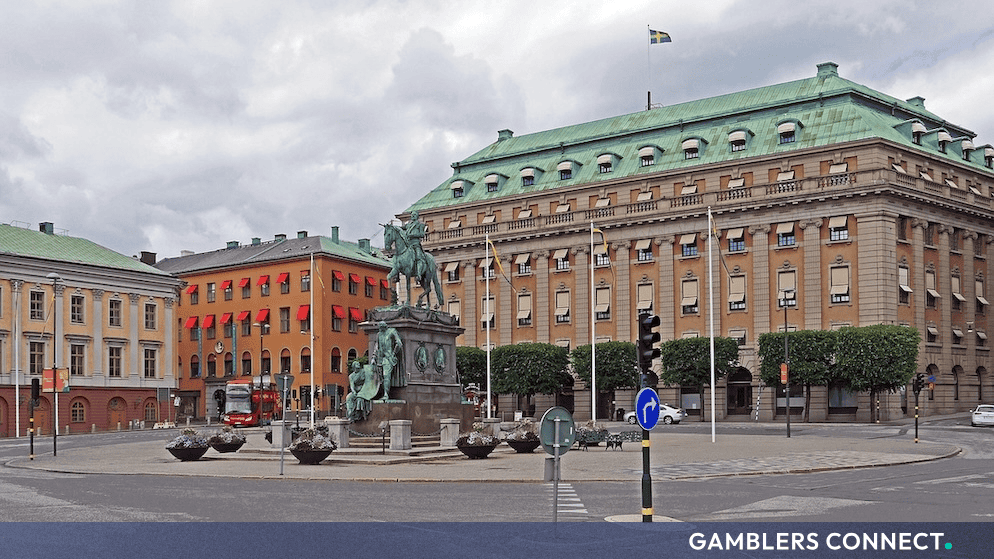
During the second quarter of 2026, the Swedish Gambling Authority maintained its regulatory efforts targeting operators suspected of providing games without a valid Swedish license. New supervisory cases were initiated during this period, with several operators voluntarily correcting their operations during processing, leading to the closure of cases without further formal action.
These developments highlight the regulatory importance of identifying unauthorized operators at an early stage and initiating supervision promptly. Furthermore, the Authority conducted an in-depth analysis of marketing practices linked to unlicensed gambling, establishing that promotional activities remain a primary vehicle for unauthorized operators to reach domestic players.
Marketing Channels and Regulatory Responsibilities
Marketing for unauthorized gambling utilizes diverse digital channels, including social media platforms, influencers, digital banners, text messages, and sponsored search results. Particular risks emerge within gaming and social media environments where young players may encounter advertisements for gambling outside the regulated licensing framework. Despite these challenges, the majority of gambling advertisements continue to promote licensed entities, predominantly through established and traditional channels.
Regulatory authority is split between agencies, as the Swedish Consumer Agency maintains principal oversight over the marketing practices of licensed operators. In contrast, the Swedish Gambling Authority focuses its supervisory mandate on the promotion of unlicensed alternatives.
Commenting on the enforcement approach, Ewa Gabrielsson, investigator at the Swedish Gambling Authority, stated:
“Marketing is one of several ways for consumers to access unlicensed gaming. Therefore, the work against promotion is an important part of our supervision. We see that clear information and early contact can lead to actors correcting themselves.”
The findings and regulatory follow-up from the first half of 2026 will serve as the strategic foundation for future supervisory priorities.