

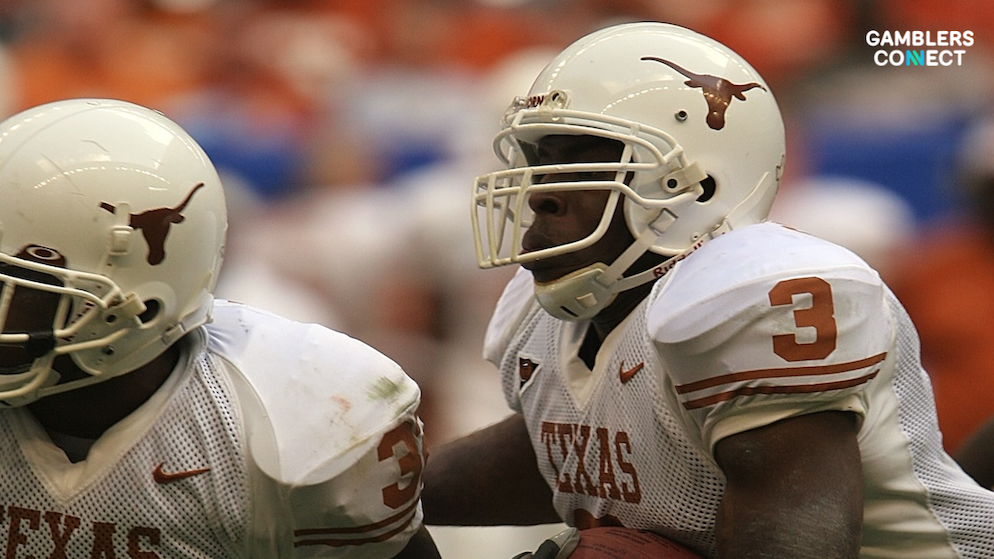
The Campus Betting Boom: Students and Athletes Navigate a Rising Underground Market

by Dimitri Dimitrov Published on April 9, 2026
Last updated on June 21, 2026
Editorial Standards

☆ Editorial Standards

All news content is produced by qualified journalists and analysts under a published editorial code requiring accuracy, source verification, and editorial review prior to publication.

Advertisers and commercial partners have no influence over news coverage.


News editorial policy · Contact us
✓ Fact-Checked

✓ Fact-Checked

Every article undergoes senior editorial review.

Regulatory and legal reporting is cross-referenced against primary sources including official government and regulatory authority records.

Corrections are issued transparently with a visible update notice.


News fact-check policy
⊘ Independence

⊘ Independence

Gamblers Connect is a B2B iGaming media platform.

Editorial decisions, including what to cover, how to cover it, and what to publish, are made independently by our newsroom.

Commercial partners may purchase publication frequency but cannot influence editorial tone, angle, or content.


News independence policy
↗ Commercial Disclosure

↗ Commercial Disclosure

Gamblers Connect is a B2B media platform. We generate revenue through subscriptions, B2B referral partnerships, directory listings, advertising, and media services.

Gamblers Connect is not a licensed gambling operator, affiliate, or player acquisition channel in any jurisdiction.

We do not earn revenue from player activity, wagers, or deposits.


News commercial disclosure · Contact us
Despite strict NCAA regulations, the thrill of the game is driving more students and athletes into underground sports betting rings.

While college life has traditionally been defined by social events and packed stadiums, a pervasive new trend is reshaping the campus fabric, the normalization of sports betting. Despite the NCAA’s stringent prohibitions on athlete wagering, a significant portion of student demographics, including the players on the field, are increasingly drawn into sports betting.

The Hidden Social Infrastructure

Because licensed sportsbooks employ rigorous geofencing and identity verification, much of this campus-based activity has migrated to an unregulated underground scene. Students frequently utilize social media group chats to establish private betting rings. These systems often run on a casual credit basis, with wins and losses settled via mobile payment applications at the end of each weekend. In fraternity settings, this has become so entrenched that new members are often tasked with identifying “locks” or high-value tips for senior members.

Identity Evasion and Regulatory Gaps

For many student-athletes, particularly those without lucrative NIL deals, the motivation is often basic financial need. Some resort to “identity borrowing”, using a parent or family member’s credentials to bypass the digital safeguards of regulated apps.

Detecting these infractions remains a significant challenge for educational institutions. While major regulated platforms have high-tech tracking capabilities, many smaller universities lack the budget for such software.

Consequently, administrators often rely on outdated educational materials, leaving a technical gap that allows the underground “hide and seek” game of campus betting to persist outside the oversight of regulated frameworks.

Dimitri Dimitrov

Dimitri is an iGaming expert with nearly a decade of experience and a knack for crafting content that speaks directly to the iGaming crowd. He understands affiliate marketing, player psychology, and search algorithms, which enables him to write engaging, data-driven articles.

Sources
Source documentation not yet available for this article
Our editorial team is in the process of verifying and documenting sources for this content.
Mentioned in this Article