

Greece Influencer Crackdown: National Enforcement Activation
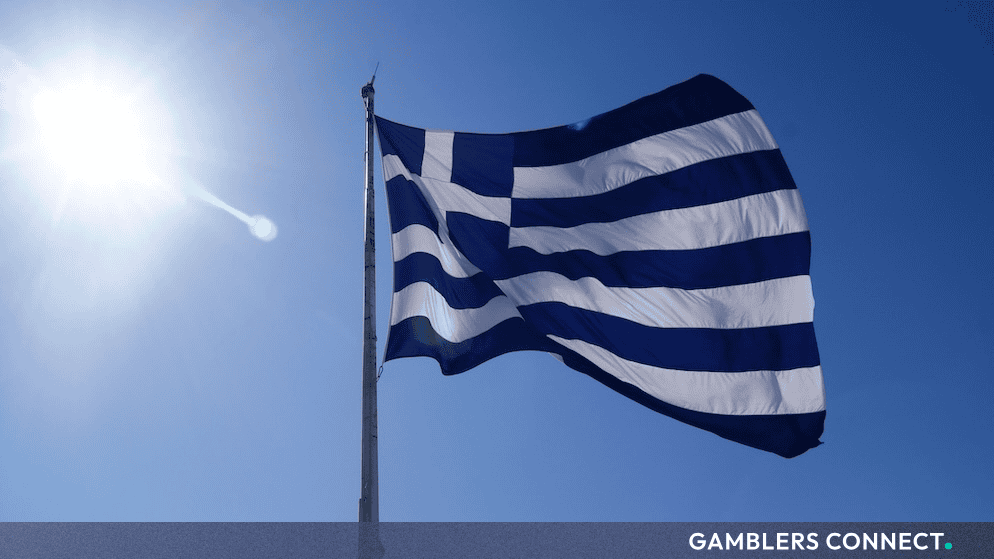
Regulatory authorities in Greece have formally initiated criminal proceedings and started a crackdown against 18 prominent influencers and streamers accused of illegally marketing unlicensed online betting platforms. The systemic crackdown is directed by the Hellenic Gaming Commission, recognized locally by its Greek acronym EEEP, as part of an aggressive legislative campaign to eliminate black-market gambling loops operating within the jurisdiction.
The filing of these criminal complaints follows the immediate passage of a revised gambling framework designed to expand the regulator’s oversight capabilities. The updated statutory package introduces rigorous financial blockades requiring banking institutions to halt transaction flows linked to illegal sites, while simultaneously stretching blacklisting measures to restrict unlicensed mobile app distribution. State officials have directly tied this judicial escalation to the rising scale of the unauthorized market and the growing exposure of minors to predatory gambling advertisements on streaming apps.
Targeted Streamer Networks and the Unauthorized Sector
Antonis Bartholomew, President of the Hellenic Gaming Commission, formally disclosed the development of these criminal cases during the 4th Greek Online Gaming Day. According to reporting from Greece’s Proto Thema newspaper, investigators have thoroughly documented the 18 cases to substantiate the ongoing judicial proceedings. The initial phase of the investigation zeroes in on high-reach accounts with follower distributions spanning from 337,000 to 623,000 users, exposing the deep integration of unregulated marketing operations across mainstream social video platforms.
Bartholomew isolated the role of streamers in validating unlicensed operators as one of the EEEP’s primary operational vulnerabilities, noting that these channels lack the mandatory age-verification safeguards required to shield underage viewers from interactive betting promotions. Data compiled for the fiscal year 2025 reveals that more than 10% of the domestic population, amounting to roughly 900,000 individuals, engaged with unauthorized operators. This black-market activity bypasses local tax structures, extracting €2bn in annual volume and depriving public coffers of roughly €400m in sovereign tax revenue.
Expanded Enforcement Under the Revised Banking Mandates
The legislative bill, curated by the Ministry of National Economy and Finance and passed last week, reconstructs the legal boundaries of Greece’s gambling market. To handle the expanded monitoring duties, the EEEP will increase its active workforce from 80 to 110 specialists.
The primary mechanism of the updated law centers on total financial isolation. All banks, localized payment gateways, and e-money institutions operating within Greek borders are under a strict legal mandate to intercept and block payment lines associated with blacklisted domains. This sweeping financial barrier blocks both incoming player deposits and outgoing withdrawals of winnings, neutralizing the commercial viability of offshore entities attempting to target domestic consumers.
Regulatory Analysis: Weaponizing Payment Blocks and Content Liability against Affiliate Networks
From a strict international gaming law and compliance overview, Greece’s latest operational push outlines a highly aggressive regulatory blueprint for combating offshore leakage in a closed licensing system. Historically, European regulators focused enforcement efforts exclusively on the gambling operators themselves, issuing cease-and-desist letters to offshore shell companies or attempting domain-name system (DNS) blocks, both of which are easily bypassed by technological workarounds like virtual private networks (VPNs).
By pivoting the enforcement focus toward two alternative pillars, third-party media promoters and systemic banking clearings, the EEEP is effectively choking the localized marketing supply chain. Treating affiliate marketing and live-streaming promotions for unlicensed sites as an active criminal offense changes the risk calculus for local content creators. High-reach influencers can no longer hide behind the defense of being independent third parties; under the new Greek framework, they face direct personal liability for facilitating illicit financial transactions.
Simultaneously, hardcoding transaction filtering at the centralized banking layer removes the burden of tracking individual domains from the gaming board. Payment service providers must continuously cross-reference transaction codes against the EEEP‘s updated blacklist. Because this payment block prevents players from successfully withdrawing their winnings through local electronic networks, it drastically lowers player acquisition and retention rates for offshore platforms, safely steering consumer traffic back toward fully taxed, locally licensed operators.