

Dominican Republic Imposes Compulsory Licenses for Cruise Ship Casinos

by Dimitri Dimitrov Published on April 8, 2026
Editorial Standards

☆ Editorial Standards

All news content is produced by qualified journalists and analysts under a published editorial code requiring accuracy, source verification, and editorial review prior to publication.

Advertisers and commercial partners have no influence over news coverage.


News editorial policy · Contact us
✓ Fact-Checked

✓ Fact-Checked

Every article undergoes senior editorial review.

Regulatory and legal reporting is cross-referenced against primary sources including official government and regulatory authority records.

Corrections are issued transparently with a visible update notice.


News fact-check policy
⊘ Independence

⊘ Independence

Gamblers Connect is a B2B iGaming media platform.

Editorial decisions, including what to cover, how to cover it, and what to publish, are made independently by our newsroom.

Commercial partners may purchase publication frequency but cannot influence editorial tone, angle, or content.


News independence policy
↗ Commercial Disclosure

↗ Commercial Disclosure

Gamblers Connect is a B2B media platform. We generate revenue through subscriptions, B2B referral partnerships, directory listings, advertising, and media services.

Gamblers Connect is not a licensed gambling operator, affiliate, or player acquisition channel in any jurisdiction.

We do not earn revenue from player activity, wagers, or deposits.


News commercial disclosure · Contact us
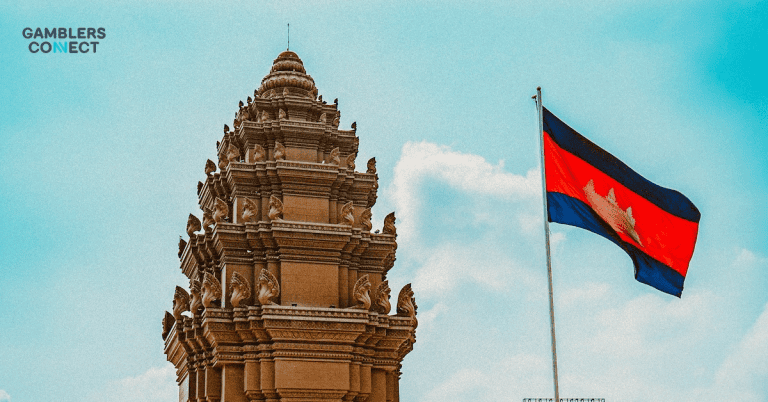
The national flag of the Dominican Republic (white cross with red and blue quadrants and the national coat of arms) waving in the wind.

The Ministry of Finance and Economy of the Dominican Republic has enacted Resolution 164-2026, introducing strict new licensing requirements for cruise ships operating gambling rooms within national waters.

The regulation aims to integrate maritime gaming into the country’s existing legislative framework while bolstering tourism revenue.

Tiered Licensing and Capacity Fees

The cost of the new mandatory license is strictly tied to the passenger capacity of the vessel. For first-class cruise ships docking at Dominican ports, the fees are structured as follows:

  • 2,000 to 3,499 Passengers: A fee of 1.0 million Dominican pesos.
  • 3,500+ Passengers: A fee of 1.5 million Dominican pesos.

The resolution defines these “casino rooms” specifically as entertainment spaces for tourists, distinguishing them from traditional land-based gambling establishments.

Compliance and Anti-Money Laundering (AML)

Beyond the fiscal requirements, the resolution imposes rigorous financial obligations on cruise operators. Vessels must implement:

“Necessary controls and procedures to prevent money laundering and the financing of terrorism.”

This move reflects the government’s dual focus on strengthening the tourism industry and ensuring all gaming activity within its jurisdiction adheres to international security standards. By formalizing maritime gaming, the Dominican Republic aims to provide a secure entertainment environment for the millions of tourists who visit its ports annually.


Dimitri Dimitrov

Dimitri is an iGaming expert with nearly a decade of experience and a knack for crafting content that speaks directly to the iGaming crowd. He understands affiliate marketing, player psychology, and search algorithms, which enables him to write engaging, data-driven articles.

Sources
Source documentation not yet available for this article
Our editorial team is in the process of verifying and documenting sources for this content.
Mentioned in this Article