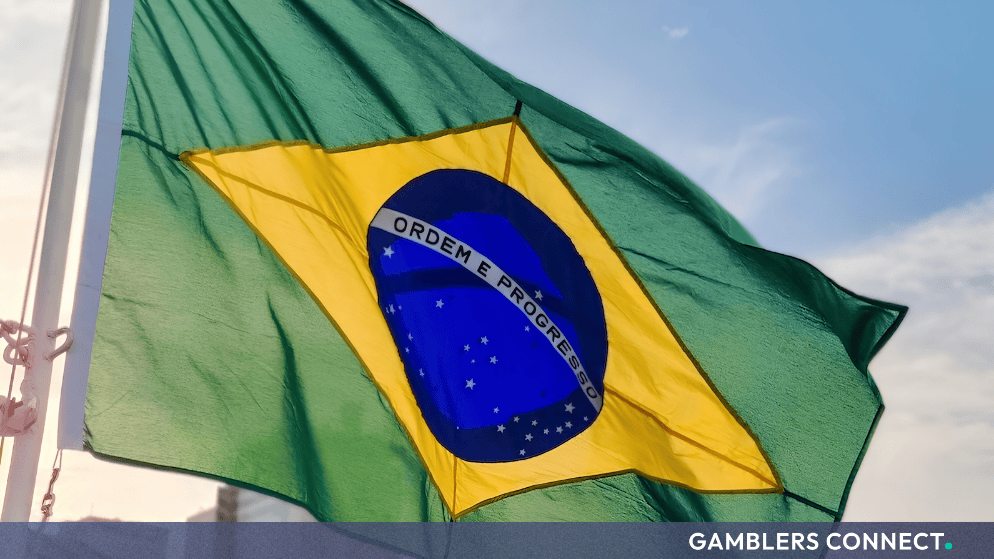
The Supreme Federal Court (STF) of Brazil convened a public session on Tuesday, November 3, 2026, to evaluate the legal and economic implications surrounding the ban on online betting.
Chaired by Justice Luiz Fux, the hearing focused heavily on the immediate market impacts of Provisional Measure No. 1,394/2026, drawing contributions from federal authorities, legal experts, and representatives from the nation’s premier sports organizations.
Opening the session, Justice Fux emphasized the critical need for comprehensive public debate, noting that insights from previous betting hearings held in November 2024 must be factored alongside the pressing realities introduced by the subsequent provisional measure. The proceedings commenced with opening statements from key government officials, including Attorney General Jorge Messias and Justice Minister Wellington César Lima e Silva, before shifting focus to the profound operational challenges confronting Brazilian football clubs.
Flamengo warns of massive financial and Olympic fallout
Representing Flamengo, vice-president Flávio de Araújo Willeman delivered stark warnings regarding the club’s financial stability. Willeman estimated that Flamengo could face revenue losses totaling R$430 million, putting approximately 1,200 club staffers at direct risk. Furthermore, he highlighted the downstream dangers facing the club’s extensive Olympic sports programs, warning that funding cuts could disrupt preparations for the Los Angeles 2028 Olympic Games.
Willeman stressed that clubs entered into heavy financial commitments with athletes and employees based on the legal framework established by the National Congress following extensive legislative debate, trusting that the regulated economic activity would enjoy sustainable continuity.
Fluminense and Cruzeiro highlight transition and competitive concerns
Voicing similar frustrations, Fluminense’s Matheus Reis e Montenegro launched a sharp critique regarding the absence of a proper transition period. Pointing to international precedents where advertising restrictions were phased in over months or years, Montenegro remarked:
“In Brazil, something that was regulated was prohibited, and we were given 10 days. Ten days. It is impossible.” He added that while government officials rightly voiced concerns over gambling addiction, the sudden regulatory clampdown threatens to spark a secondary crisis of widespread unemployment.
Cruzeiro was represented by José Francisco Cimino Manssur, one of the primary architects behind Brazil’s landmark 2023 sports betting and online gaming legislation. Manssur focused heavily on the structural inequalities the ban creates for Brazilian clubs competing on the international stage. Comparing upcoming continental fixtures against South American rivals whose shirts continue to bear betting sponsorships, Manssur stated:
“Our rivals will be able to count on sponsorship from betting companies. They will face us, and Cruzeiro will certainly qualify for an international competition next year, where it will play against teams from Argentina, Uruguay, and Colombia that may have betting sponsorships. Meanwhile, our Brazilian team will not have access to that sponsorship.”
The comprehensive testimonies underscored the urgent need for the judiciary to carefully weigh the socioeconomic and competitive ramifications of MP No. 1,394/2026 on Brazilian sports institutions.