

Caesars Entertainment Expands Tribal Partnerships: Corporate Infrastructure and Market Strategy
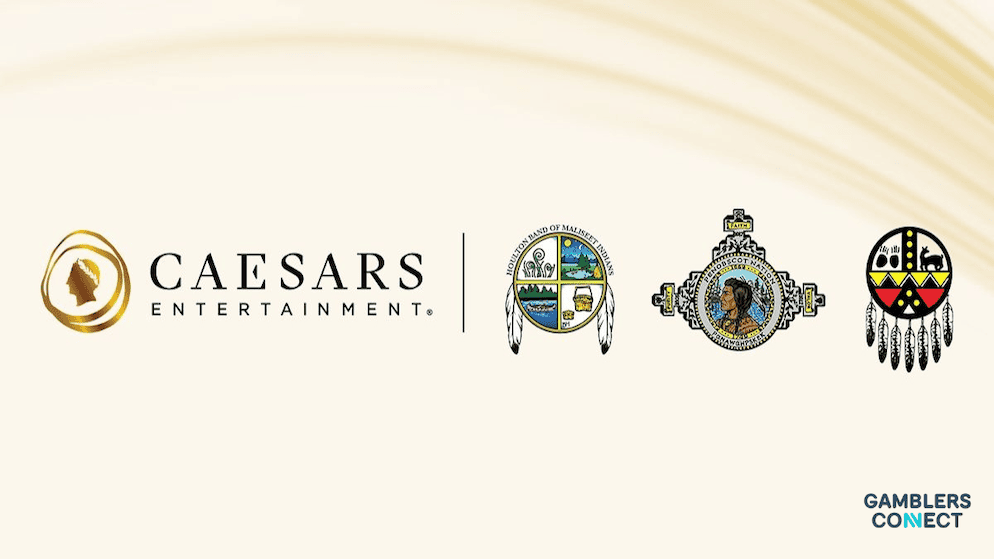
Caesars Entertainment, Inc. (NASDAQ: CZR) has finalized an amendment extending its current commercial partnership with three Wabanaki Nations, the Houlton Band of Maliseet Indians, the Mi’kmaq Nation, and the Penobscot Nation, to introduce online casino operations in Maine. The long-term agreement sets a operational foundation for a potential digital interactive casino (iGaming) launch in 2026, subject to legislative tracking and necessary regulatory approvals from state authorities.
The extended framework outlines the deployment of three proprietary online casino software brands within the state: Caesars Palace Online Casino, Caesars Sportsbook & Casino, and Horseshoe Online Casino. The expansion builds directly upon the group’s 2023 rollout of Caesars Sportsbook in Maine. Under the terms of the updated contract, Caesars will allocate capital toward local tribal workforce recruitment, technical training, and the long-term funding of sovereign community infrastructure and development programs.
Technical Platform Architecture and Loyalty Integration
The upcoming digital slot and table game ecosystem in Maine will be built around Caesars’ existing mobile technology stack. The platforms will integrate with the active Caesars Sportsbook interface via Caesars’ Universal Digital Wallet. This configuration enables a single-login framework, allowing customers to use a unified cash balance across sports wagering and casino game categories seamlessly.
Furthermore, all eligible online wagers will be tied directly to Caesars Rewards®. This integration allows players to accumulate loyalty credits through digital play, which can then be redeemed for experiential retail services, such as hotel stays, dining, and live entertainment, across Caesars’ physical resort destinations nationwide.
Executive Commentary on Economic Self-Sufficiency
Eric Hession, President of Caesars Digital, emphasized the company’s ongoing relationship with local legislative and regulatory bodies:
“As we look ahead to the launch of online casino gaming in Maine, we’re proud to expand our partnership with the Houlton Band of Maliseet Indians, the Mi’kmaq Nation and the Penobscot Nation. Together, we’ve built a strong and responsible sports wagering experience, and this next phase reinforces our commitment to our tribal partners and to delivering a differentiated, localized digital gaming experience for Mainers. We’re grateful to Gov. Janet Mills, the Maine Legislature and the Maine Gambling Control Unit for their continued leadership and thoughtful approach to gaming in the state.”
Chief Kirk Francis of the Penobscot Nation highlighted the importance of a commercial partner respecting tribal sovereignty:
“Our experience working together on sports wagering has demonstrated the value of aligning with a partner that respects our sovereignty, understands our communities and is committed to long-term success for the Wabanaki Nations.”
Chief Sheila McCormack of the Mi’kmaq Nation focused on the regulated economic opportunities generated by the expansion:
“Expanding into online casino gaming allows us to continue creating economic opportunities for our people while ensuring that any future platform is developed in a responsible, well-regulated manner that benefits the tribes and the state.”
Chief Clarissa Sabattis of the Houlton Band of Maliseet Indians noted the role of digital casino revenue in supporting essential governmental programs:
“This long-term agreement reflects our shared commitment to strengthening Maine’s rural communities and is vital to the Houlton Band’s self-determination and economic self-sufficiency. Internet gaming revenues will provide our tribal government with a more secure, long-term source of revenue that will help us provide essential services and make critical investments in community infrastructure.”
Compliance Posture and Tribal Market Analysis
From a regulatory perspective, expanding an online casino partnership within a nascent North American jurisdiction demands a highly disciplined compliance posture. In GC’s assessment, the legal evolution of iGaming in New England involves intricate coordination between sovereign tribal nations, state legislative frameworks, and dedicated regulatory bodies like the Maine Gambling Control Unit. Unlike sports betting, which often operates under simpler transaction models, online slot and live dealer games carry significantly higher transactional density, requiring advanced technical auditing to guarantee game integrity and accurate revenue split reporting to tribal authorities.
o reinforce its compliance posture, Caesars leverages its established responsible gaming framework, including its long-running Project 21 initiative, which enforces an enhanced 21+ age verification gate across all digital platforms. This strict approach to player protection is further backed by international credentials, including the RG Check accreditation from the Responsible Gambling Council of Ontario, alongside corporate social responsibility awards from the National Council on Problem Gambling. Maintaining this level of auditable oversight remains a core prerequisite for commercial operators seeking to expand tribal-led digital networks while protecting long-term license assets.