

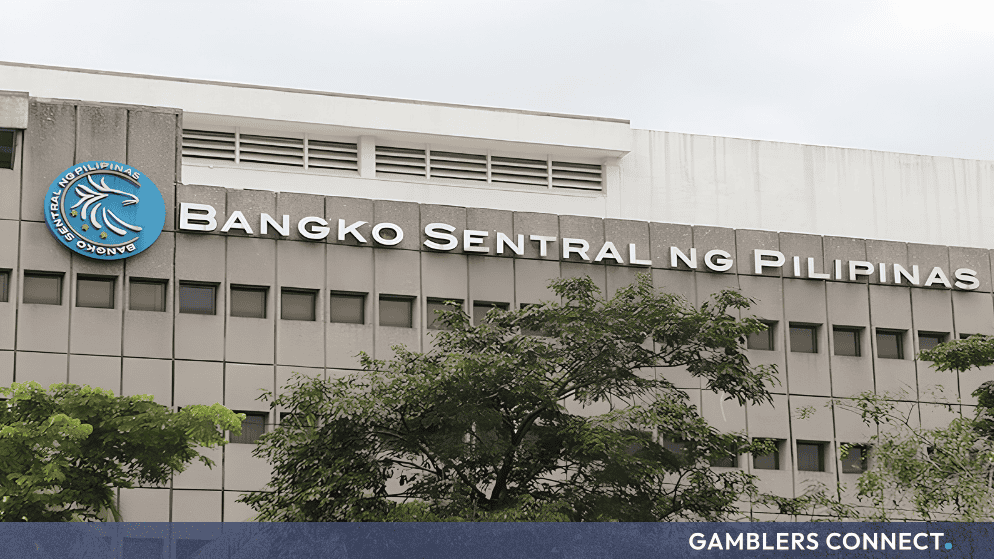
The Bangko Sentral ng Pilipinas (BSP) has directed banks and supervised financial institutions to reinforce their anti-money laundering and counter-terrorism financing controls when dealing with customers linked to casino junket operations (CJOs).
The directive follows the release of a central bank paper titled ‘Risk Management Practices for Customers Engaged in Casino Junket Operations’, which highlights vulnerabilities tied to high-value gaming intermediaries.
Risk Factors and Operational Red Flags
Casino junket operators manage gaming and travel arrangements for high-rolling patrons, frequently moving large volumes of capital. According to BSP Deputy Governor Lyn Javier, these financial relationships can expose institutions to severe illicit financing threats if proper safeguards are missing.
BSP Deputy Governor Lyn Javier:
“Financial transactions linked to CJOs can pose elevated money laundering risks. We identify the best practices and red flags BSFIs need to watch out for to be strong partners in our shared goal of curtailing crime and safeguarding the integrity of the financial system.”
Key Warning Signs Flagged by the BSP
- Unusual Cash Movements: High-frequency, large-scale cash and check deposits lacking a clear economic purpose.
- Opaque Structures: Complex corporate ownership configurations and the use of shell companies to obscure ultimate beneficial owners.
- Layered Transactions: Intricate webs of fund transfers designed to obscure the source and movement of capital.
- Behavioral Anomalies: Purchasing chips with small-denomination cash followed by minimal actual gambling activity.
Recommended Safeguards and Compliance Measures
To curb potential financial crime, the BSP’s guidance outlines five key areas of required risk management improvement:
- Board and Senior Management Oversight: Establishing direct governance over high-risk CJO relationships.
- Prevention Programs: Implementing bespoke money laundering and terrorism financing policies tailored to junket activities.
- Customer Identification: Enhancing onboarding protocols, verifying beneficial ownership, and screening for politically exposed persons or adverse information.
- Ongoing Monitoring: Utilizing automated transaction-monitoring systems and conducting rigorous client link analysis.
- Suspicious Transaction Reporting & Training: Ensuring prompt reporting of suspicious activities alongside regular staff education.
The central bank also underscored the importance of cross-sector collaboration, urging tighter information-sharing networks between financial institutions and gaming regulators like PAGCOR.