

Regional Leadership Targets Marketing Volume as Local Audit Links Exposure to Vulnerable Community Harms
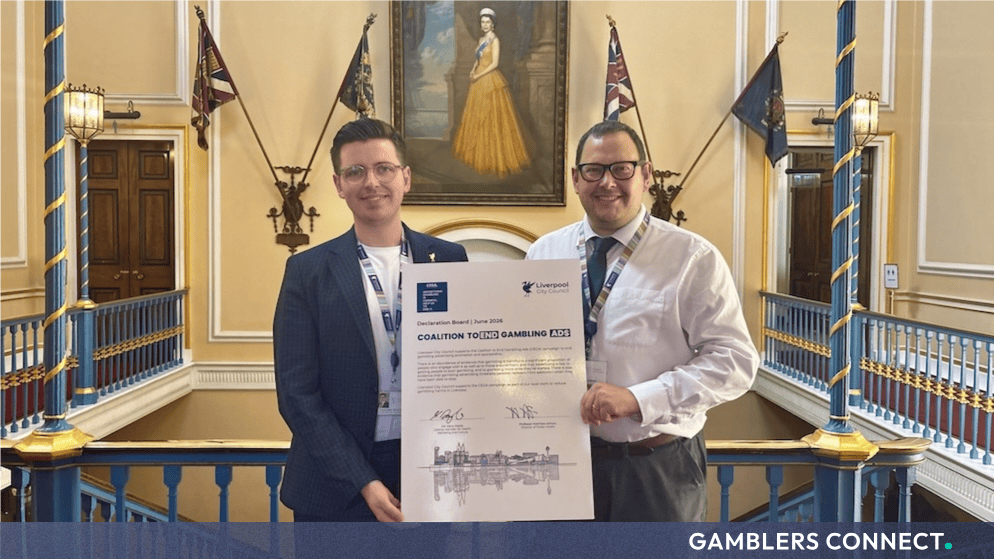
Liverpool City Council has officially aligned with a prominent national advocacy movement calling for an absolute end to gambling advertising. The local authority has integrated with the Coalition to End Gambling Ads (CEGA), a growing cross-party network of local councils, public health institutions, charities, and grassroots campaign groups working collectively to reduce the visibility and cultural impact of gambling marketing within municipal environments.
The alliance directly reinforces Liverpool’s pre-existing “Reducing Gambling Harms Action Plan,” an overarching public health initiative launched earlier this year to deploy early preventative interventions, expand public support pathways, and systematically lower community exposure to predatory betting ads.
Socioeconomic Pressures and Public Health Metrics
The motivation for legislative intervention is backed by local public health data. Approximately one in six young adults residing in Liverpool actively experience some tier of gambling-related harm, with young men and individuals facing acute financial disadvantage tracking at the absolute highest risk levels. Public health assessments confirm that unchecked gambling dependencies directly fuel cycles of personal debt, severe mental health deterioration, family relationship breakdowns, homelessness, and structural encounters with the criminal justice system. Furthermore, deep social stigma frequently blocks affected residents from seeking early therapeutic help.
The sheer financial volume of modern gambling promotions presents a continuous challenge for municipal authorities. The global gambling industry spends an estimated £2 billion per year on advertising campaigns across the United Kingdom. This continuous spend normalizes gambling into everyday cultural habits, exposing children, teenagers, and vulnerable demographics to targeted marketing across public television, digital social media, elite sports sponsorships, and public transport infrastructure.
Strategic Community Programs and Executive Commentary
Liverpool is building on previous preventative partnerships, including targeted educational campaigns managed alongside Chapter One during high-exposure events like the FIFA World Cup, when gambling promotions typically experience significant surges.
Councillor Harry Doyle, Cabinet Member for Health, Wellbeing and Culture, emphasized the real-world impact of the campaign:
“Gambling harm has real and practical consequences. It can leave people struggling with debt, damage relationships, affect mental health and place huge pressure on families. Through our Reducing Gambling Harms Action Plan we’ve committed to preventing harm wherever we can, making support easier to access and creating healthier environments for our residents. Joining CEGA is an important part of that commitment. Gambling advertising is now everywhere, from TV and social media to sport and public spaces, and we know that constant exposure helps normalise gambling, particularly for children and young people.”
Professor Matthew Ashton, Director of Public Health for Liverpool City Council, focused on the underlying structural risks:
“Preventing gambling harm isn’t just about supporting people once problems develop, it’s about reducing the factors that increase risk in the first place. Our Action Plan takes a public health approach, bringing together partners across health, education, social care and the voluntary sector to improve prevention, raise awareness and strengthen support. Joining CEGA allows Liverpool to play its part in a growing national movement calling for evidence-based changes to gambling advertising that will help create healthier communities.”
Lobbying Central Government for Long-Term Structural Change
While local authorities directly manage regional side-effects, such as local treatment programs, social care strains, and economic impacts, the literal legislative authority required to alter commercial advertising frameworks remains exclusively with the central UK government.
Will Prochaska, Director of the Coalition to End Gambling Ads (CEGA), summarized the strategic objective of the partnership:
“By joining the Coalition to End Gambling Ads Liverpool City Council is building on the city’s proud tradition of standing up for its communities. Councils see close-up the impact of gambling on families, communities, and local economies, but it’s central government that holds the power to stem the tide of advertising that drives gambling harm. CEGA membership will give Liverpool City Council another platform to tell central government that change is needed.”
The expansion brings Liverpool into a unified national front. CEGA’s collective membership includes 17 distinct local authorities working in unison with leading healthcare agencies, such as the Association of Directors of Public Health, the Royal Society for Public Health, the Faculty of Public Health, regional football clubs, and dedicated gambling recovery charities.