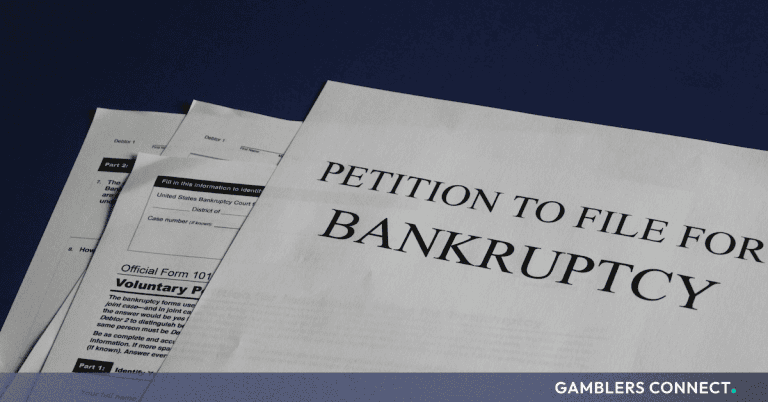


The Thailand Consumers Council (TCC) has filed a major consumer protection lawsuit targeting technology giant Meta Platforms, accusing the social media corporation of routinely allowing fraudulent advertisements, unapproved black market gambling promotions, and algorithmic scam funnels to proliferate completely unchecked across its digital networks.

The aggressive legal action inside Thailand mirrors an accelerating global trend of state oversight boards, consumer advocacy unions, and financial entities putting intense pressure on the Silicon Valley group to thoroughly clean up its interactive ecosystems. According to field reporting published by The Nation, the TCC’s legal filing alleges that Facebook continues to carry vast quantities of malicious promotional links. The council asserts that Meta’s proprietary user profiling algorithms are actively assisting digital scammers by systematically targeting high risk, vulnerable demographics, resulting in catastrophic financial losses across the local population.
Siphoning Massive Ad Revenues from Infringing Content
The TCC’s litigation seeks to hold Meta legally and financially accountable for the fraudulent content served through its networks, demanding the immediate implementation of proactive, automated ad screening layers alongside the creation of a dedicated, state managed victim compensation fund. Meta has long faced severe global criticism regarding its commercial enforcement speeds.
A comprehensive investigation released by Reuters established that according to Meta’s internal compliance logs, the corporation generated nearly ten percent of its overall annual advertising revenue, approximately $16 billion, by running paid ad placements for verified scams, data phishers, and banned retail goods throughout the 2024 fiscal cycle.
The PR crisis surrounding social networks is expanding rapidly across European borders, transforming into a central political issue. In the United Kingdom, Lloyds Bank’s Head of Fraud recently issued a public safety bulletin confirming that a staggering two thirds of all consumer fraud events processed by the banking giant originated directly on platforms owned by Meta. In response, prominent legal practices Richardson Hartley Law and Humphries Kerstetter launched a unified group action lawsuit on behalf of thousands of citizens who lost their savings to fraudulent Facebook and Instagram ads.
Regulatory Backlash Over Illegal Gambling Campaigns
From an iGaming perspective, international regulatory boards are explicitly targeting social networks for driving traffic to unregulated offshore casinos. Earlier this year, UK Gambling Commission Executive Director Tim Miller accused Meta of intentionally turning a blind eye to illegal black market marketing campaigns simply to continue capturing massive ad placement revenues from criminal actors.
Concurrently, Ella Seijsener, Director of Licensing and Supervision for the Dutch Gaming Authority (Ksa), slammed the management teams of Meta and TikTok for doing far too little to counter the illegal ad surge, revealing that the Dutch regulator was forced to transmit 26,000 automated removal requests to Meta during the month of May alone.
A spokesperson for Meta defended the platform’s automated safety systems, arguing that organized syndicates deploy incredibly fluid, sophisticated technical variations to evade automated filters:
“Scammers are determined criminals tapping into increasingly sophisticated tactics to defraud people and evade detection on our platforms. We fight scams on and off our platforms because they’re not good for us or the people and businesses that rely on our services.”
However, data analysts note that the legal pushback initiated by the TCC carries exceptional weight inside Thailand, where independent metrics show that approximately ninety percent of the country’s entire connected population are active daily users of Facebook.