

Philippines Blocks 50,000 Illegal Sites, Proposes “Cyber Diplomats”

by Dimitri Dimitrov Published on February 23, 2026
Editorial Standards

☆ Editorial Standards

All news content is produced by qualified journalists and analysts under a published editorial code requiring accuracy, source verification, and editorial review prior to publication.

Advertisers and commercial partners have no influence over news coverage.


News editorial policy · Contact us
✓ Fact-Checked

✓ Fact-Checked

Every article undergoes senior editorial review.

Regulatory and legal reporting is cross-referenced against primary sources including official government and regulatory authority records.

Corrections are issued transparently with a visible update notice.


News fact-check policy
⊘ Independence

⊘ Independence

Gamblers Connect is a B2B iGaming media platform.

Editorial decisions, including what to cover, how to cover it, and what to publish, are made independently by our newsroom.

Commercial partners may purchase publication frequency but cannot influence editorial tone, angle, or content.


News independence policy
↗ Commercial Disclosure

↗ Commercial Disclosure

Gamblers Connect is a B2B media platform. We generate revenue through subscriptions, B2B referral partnerships, directory listings, advertising, and media services.

Gamblers Connect is not a licensed gambling operator, affiliate, or player acquisition channel in any jurisdiction.

We do not earn revenue from player activity, wagers, or deposits.


News commercial disclosure · Contact us
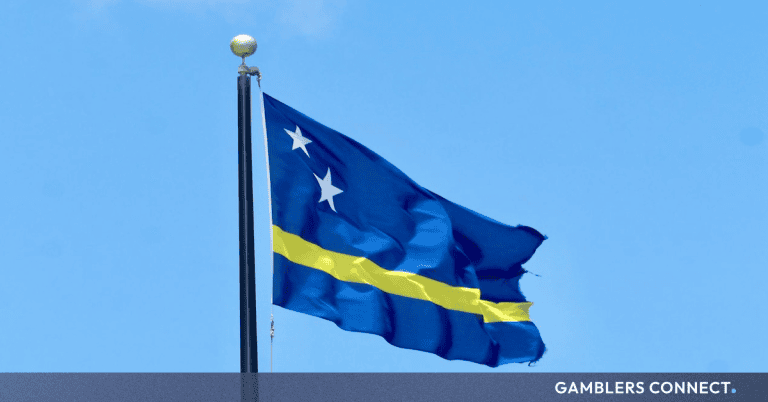
The Philippine flag waving on a tall flagpole, symbolizing the national effort to combat offshore illegal gambling sites and CICC proposal of cyber diplomats.

Despite blocking over 50,000 illegal online gambling domains, the Philippines’ Cybercrime Investigation and Coordination Centre (CICC) warns that unlicensed platforms continue to thrive via offshore hosting. Officials revealed during a Senate hearing that nearly 97% of these sites sit beyond local jurisdiction.

The “Whack-a-Mole” Enforcement Struggle

CICC Executive Director Renato Paraiso explained that rogue platforms “respawn” almost instantly under fresh URLs. Mobile accessibility and digital wallets have made these sites incredibly “sticky” for local players.

Paraiso proposed a novel solution to the Senate:

“Appointing cyber diplomats to build international cybersecurity ties… Expanding treaties to name cybercrime explicitly would smooth cross-border hits on gambling sites.”

Calls for Legislative Muscle

Senator Win Gatchalian pushed for tougher laws that hit operators where domain blocks cannot: their funding and promotional channels. He argued that reactive wipes are insufficient when offshore servers remain untouched.

The CICC maintains that the current Mutual Legal Assistance Treaties are geared toward traditional crimes and lack the digital specifics needed to effectively choke illegal gambling operations. The proposed “Cyber Diplomats” would lobby host nations directly to pressure them into taking down servers targeting Filipino citizens.


Dimitri Dimitrov

Dimitri is an iGaming expert with nearly a decade of experience and a knack for crafting content that speaks directly to the iGaming crowd. He understands affiliate marketing, player psychology, and search algorithms, which enables him to write engaging, data-driven articles.

Sources
Source documentation not yet available for this article
Our editorial team is in the process of verifying and documenting sources for this content.
Mentioned in this Article