


A rapid escalation in illegal online gambling has compelled Lithuania’s highest authorities to convene an urgent high-level meeting, seeking to establish a faster, more coordinated strategy to dismantle fraudulent online domains.
The gathering signals a critical turning point for the nation, as regulators acknowledge that existing tools are insufficient to stem the tide of multiplying illegal websites and increasing digital scams.
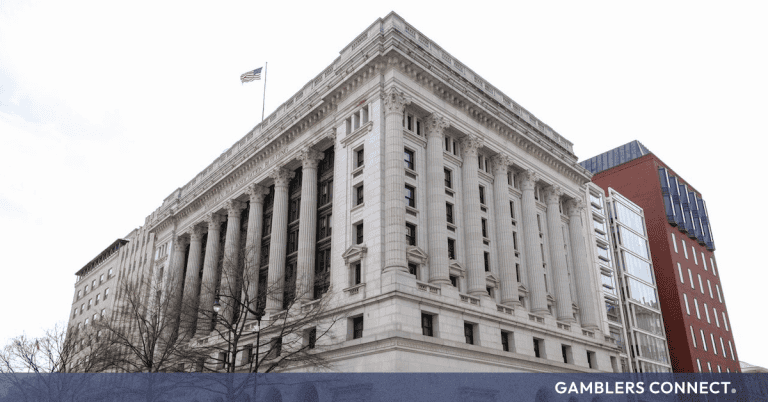
Senior officials met at the Government Chancellery on November 20 with a unified message: the problem is outpacing current enforcement capabilities.
The assembly brought together a formidable coalition of state bodies, including the National Cybersecurity Centre, the State Consumer Rights Protection Service, the Bank of Lithuania, and the Department of Drug, Tobacco and Alcohol Control.
They were joined by external analysts from Debunk.org, specialists in tracking online fraud. The primary objective was to strengthen inter-agency cooperation and accelerate interventions against both unlicensed operators and broader digital financial crime.
The Gambling Supervisory Authority highlighted the scale of the challenge, reporting that it has become Lithuania’s third most active institution for domain restrictions. Currently, nearly 2,000 illegal gambling websites are listed on its blacklist, with new domains appearing constantly.
Under current regulations, blocking a detected unlicensed site requires a court order before internet service providers can act. Stricter financial controls introduced on May 1, 2025, now limit card-initiated gambling transactions exclusively to operators on Lithuania’s official White List, but enforcement remains a chase.
Officials in Lithuania emphasized that illegal online gambling is often intertwined with a wider landscape of digital fraud. Across Europe, losses from online scams exceed €4 billion annually, with over half linked to Meta platforms like Facebook and Instagram.
Lithuanian agencies noted that illegal gambling sites frequently employ similar tactics, blending into the digital infrastructure used by other scammers.
The meeting concluded with a consensus on the need for faster data sharing, improved automation, and clearer regulatory frameworks.
This initiative aligns with Lithuania’s broader regulatory shift, including recent legislation passed in late 2024 that will ban most gambling advertising starting July 2025. The next phase of enforcement will rely heavily on this deeper coordination between government, cybersecurity, and regulatory bodies.