Thailand’s Gambling Legislation Delayed Following Political Turmoil

by Dimitri Dimitrov Published on July 3, 2025
Editorial Standards

☆ Editorial Standards

All news content is produced by qualified journalists and analysts under a published editorial code requiring accuracy, source verification, and editorial review prior to publication.

Advertisers and commercial partners have no influence over news coverage.


News editorial policy · Contact us
✓ Fact-Checked

✓ Fact-Checked

Every article undergoes senior editorial review.

Regulatory and legal reporting is cross-referenced against primary sources including official government and regulatory authority records.

Corrections are issued transparently with a visible update notice.


News fact-check policy
⊘ Independence

⊘ Independence

Gamblers Connect is a B2B iGaming media platform.

Editorial decisions, including what to cover, how to cover it, and what to publish, are made independently by our newsroom.

Commercial partners may purchase publication frequency but cannot influence editorial tone, angle, or content.


News independence policy
↗ Commercial Disclosure

↗ Commercial Disclosure

Gamblers Connect is a B2B media platform. We generate revenue through subscriptions, B2B referral partnerships, directory listings, advertising, and media services.

Gamblers Connect is not a licensed gambling operator, affiliate, or player acquisition channel in any jurisdiction.

We do not earn revenue from player activity, wagers, or deposits.


News commercial disclosure · Contact us
Untitled design 237 1

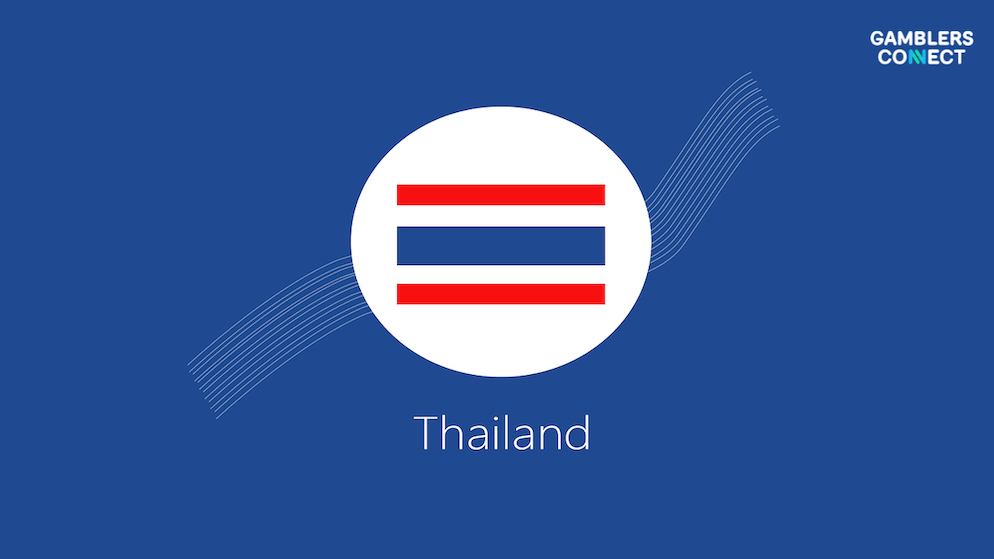
The new gambling legislation of Thailand and its ambitious plans to legalize integrated casino resorts have hit a major roadblock following a sudden political upheaval.

Prime Minister Paetongtarn Shinawatra was suspended by the Constitutional Court this week amid an ethics investigation, putting a temporary halt to legislative efforts to introduce legal casino gaming.

The bill, which aimed to authorize up to five large-scale resort casinos in cities like Bangkok, Phuket, Chiang Mai, and Chonburi, had been gaining momentum under Shinawatra’s administration.

Global operators including MGM, Melco, and Galaxy Entertainment, had already expressed interest in entering what could become one of Southeast Asia’s most lucrative gaming markets.

Shinawatra was a vocal supporter of the bill and had recently engaged in discussions with Cambodian authorities to potentially collaborate on cross-border tourism and gaming initiatives. However, critics questioned her involvement in certain foreign affairs and pointed to legal ambiguities in her business dealings—factors that contributed to her temporary removal.

With her leadership now suspended, the future of the casino bill is uncertain. Legislative progress has stalled, and key stakeholders are waiting for clarity on who will take the reins and whether the new leadership will continue to back the gaming initiative.

Analysts suggest that even if political stability returns quickly, the delay could set the project back by months or even years, as international investors grow cautious. Thailand’s push to legalize casinos was seen as a transformative move for the region’s tourism and economy, but now it hangs in limbo.

The situation underscores how dependent major iGaming reforms can be on political leadership—and how quickly momentum can vanish in times of governmental crisis.

Dimitri Dimitrov

Dimitri is an iGaming expert with nearly a decade of experience and a knack for crafting content that speaks directly to the iGaming crowd. He understands affiliate marketing, player psychology, and search algorithms, which enables him to write engaging, data-driven articles.

Sources
Source documentation not yet available for this article
Our editorial team is in the process of verifying and documenting sources for this content.
Mentioned in this Article